
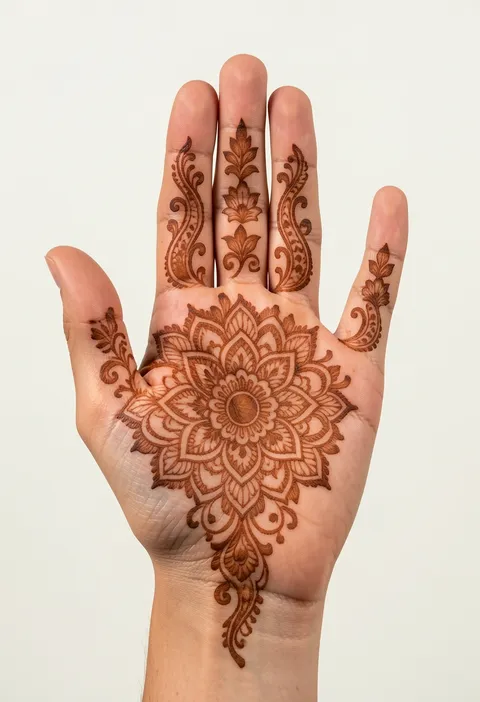
Karva Chauth and Teej
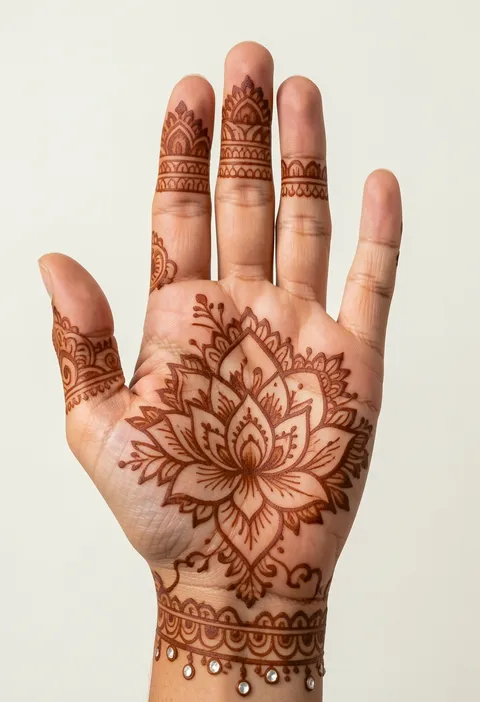
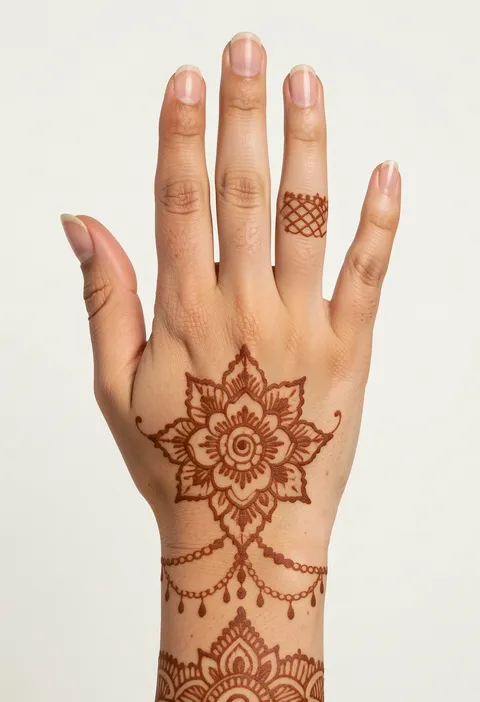
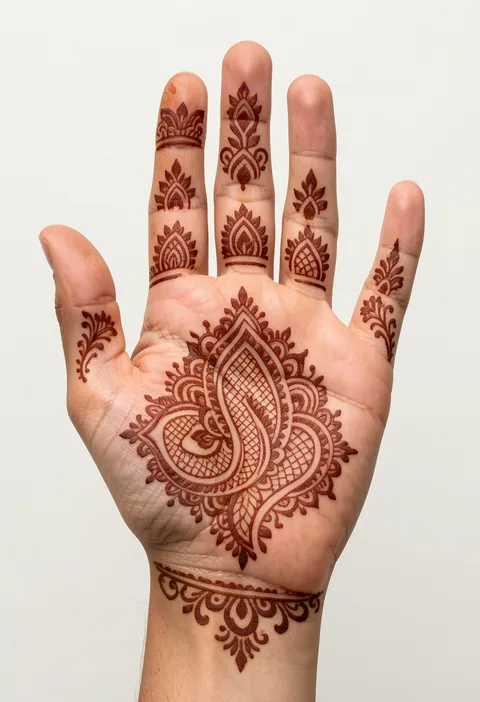
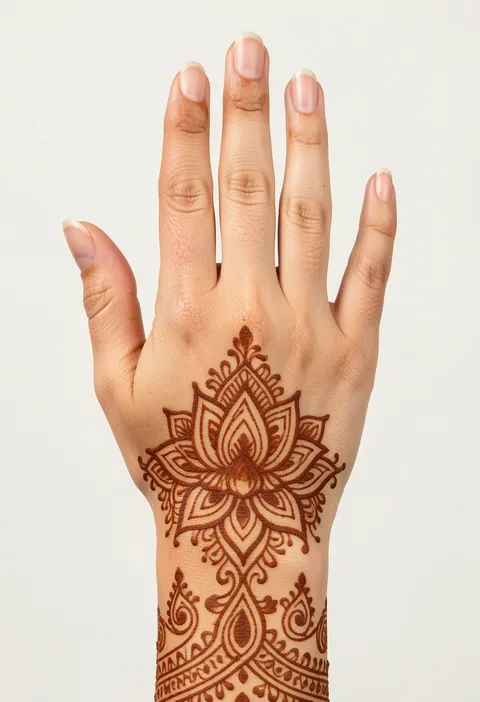
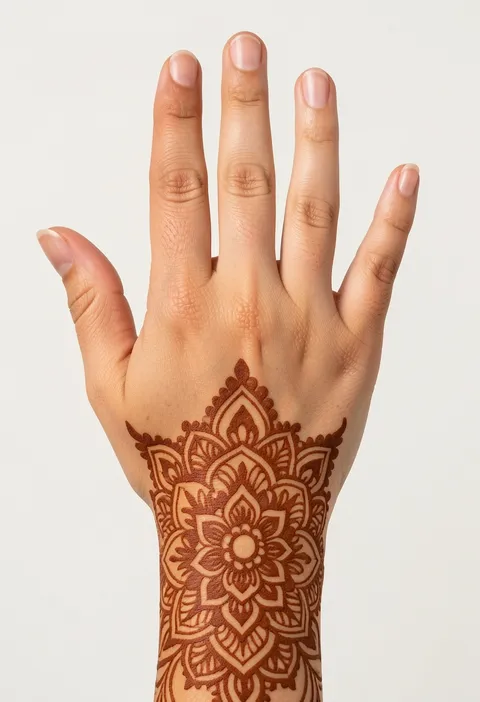
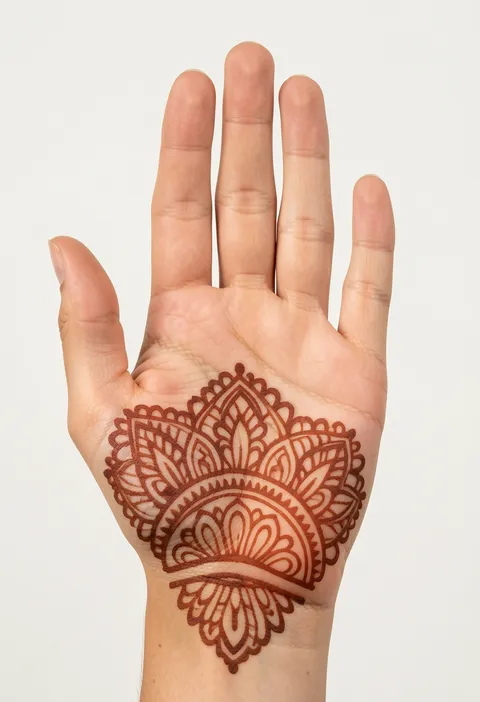
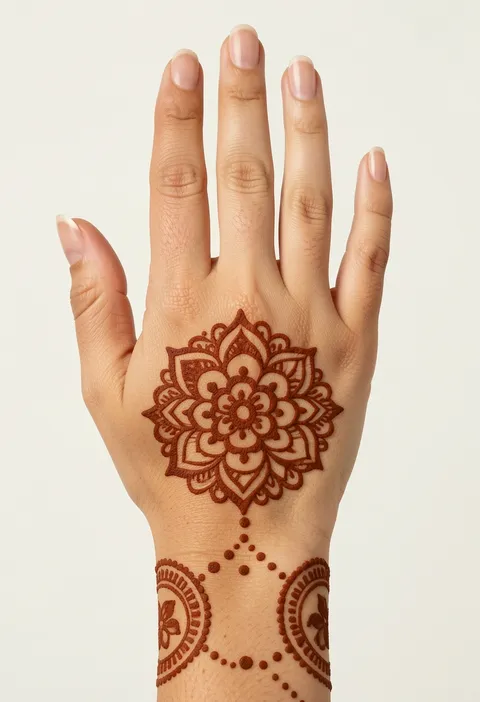
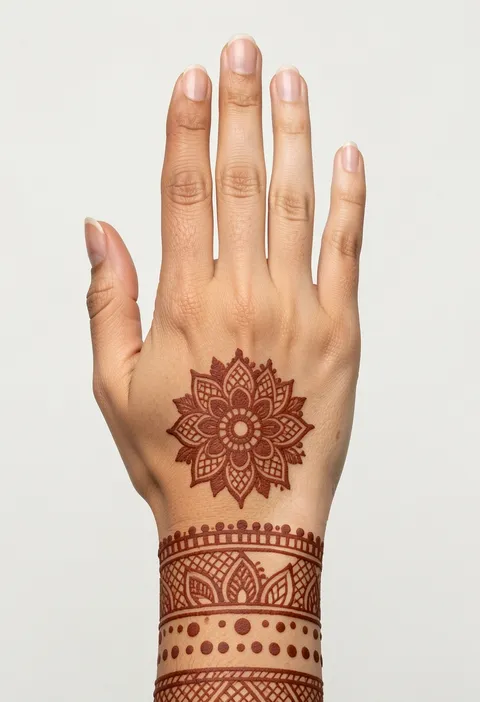
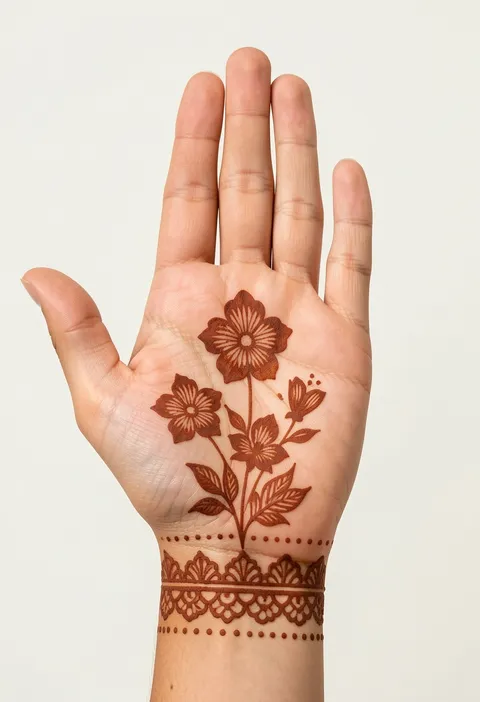
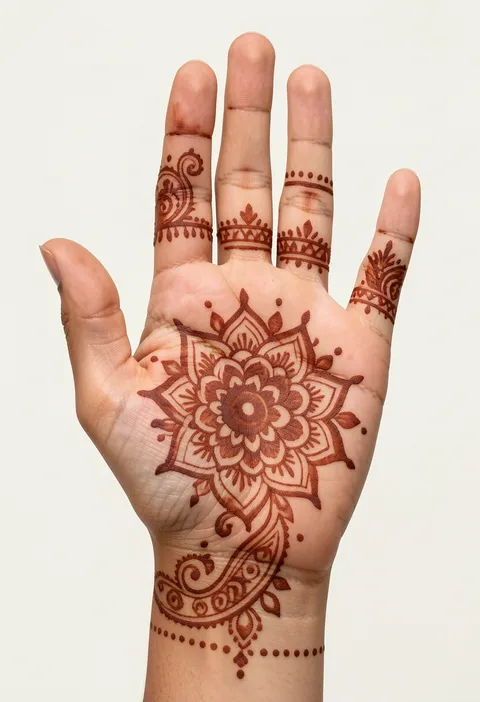
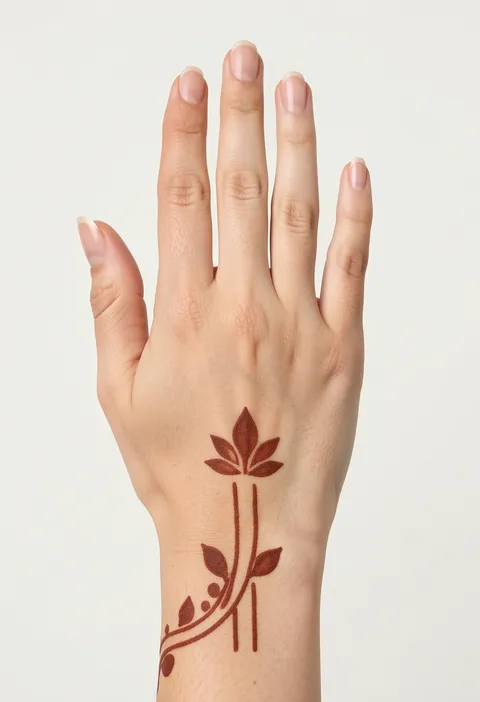
These are the fullest non-bridal designs of the year. A dense palm with a central mandala, and a back hand with a cuff and lattice, both stopping at the wrist.
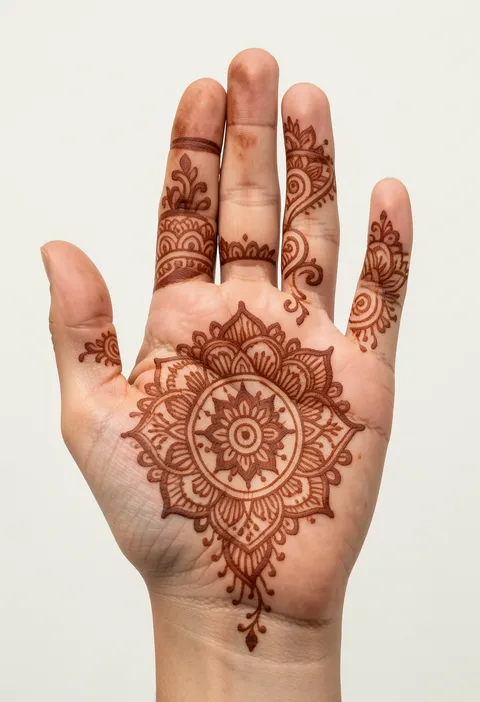
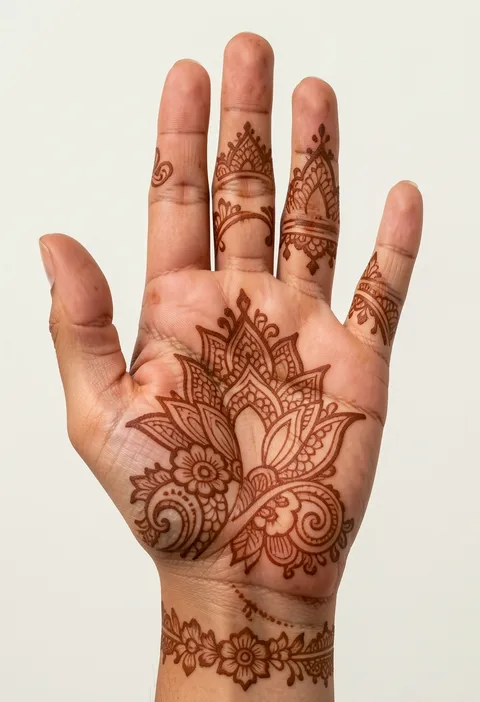
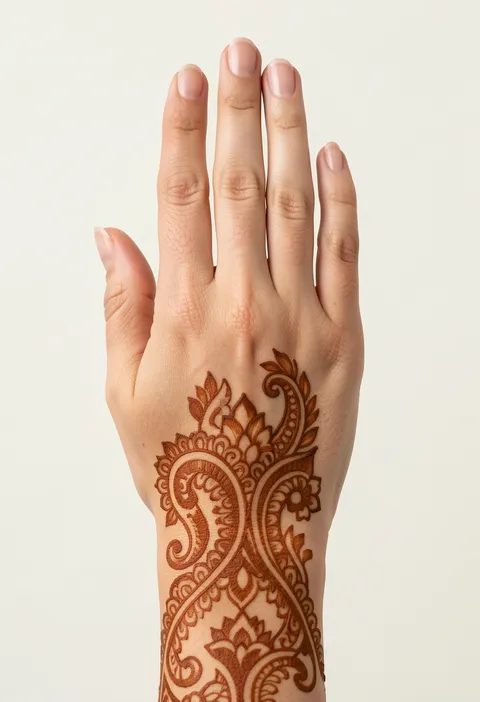
Diwali designs
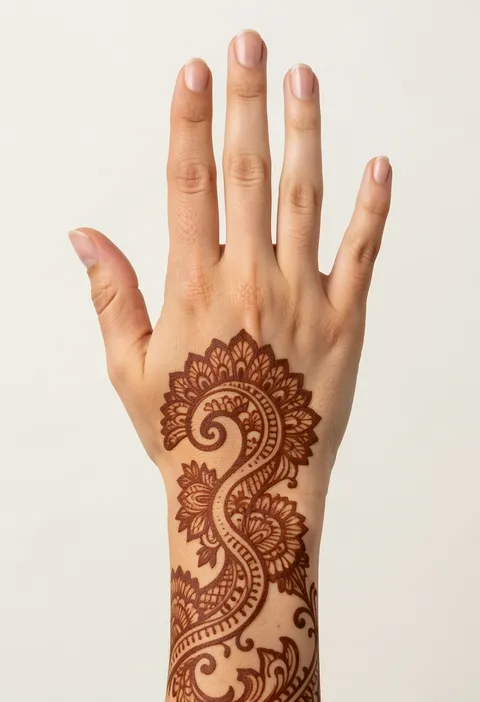
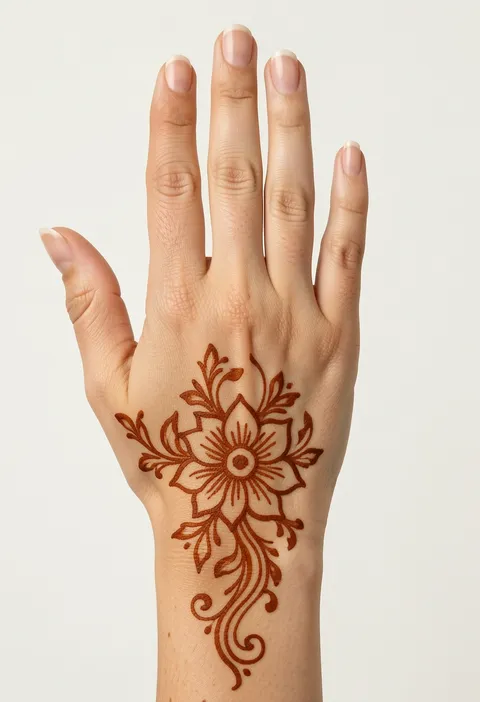
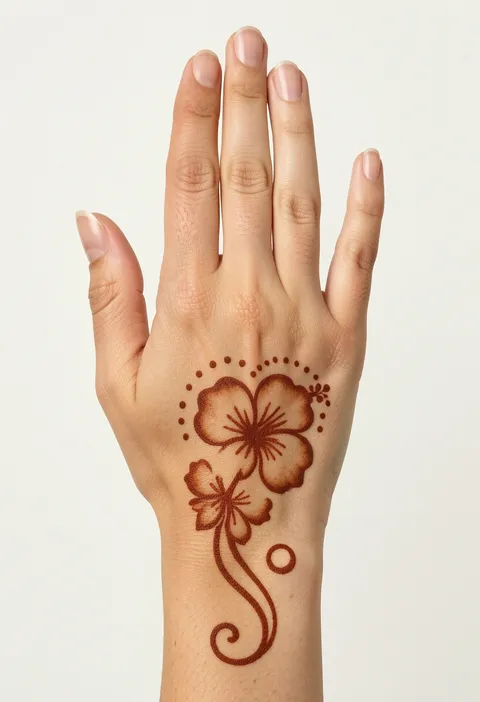
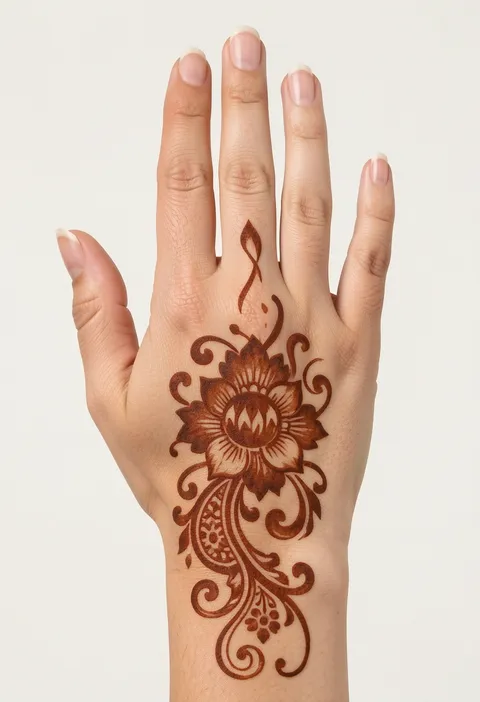
Festive but wearable through a week of visiting. An Arabic sweep or a for-girls flower on the back of the hand is the usual choice.
Raksha Bandhan and Navratri
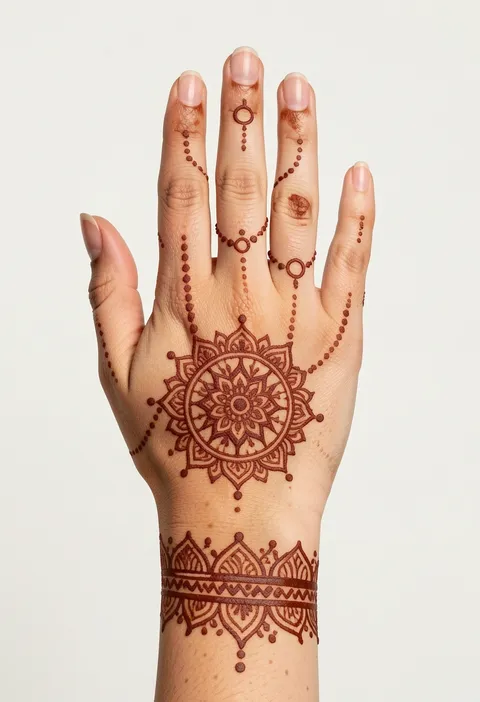
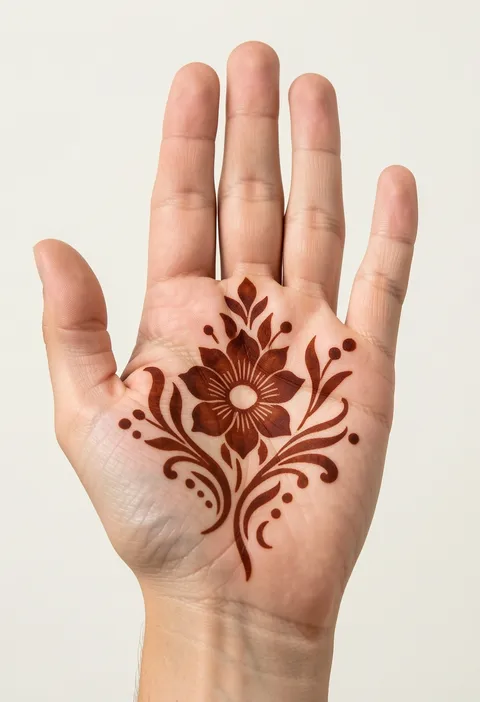
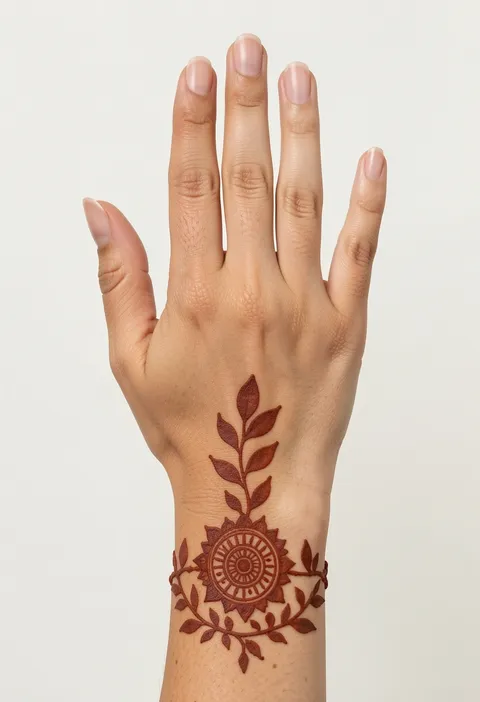
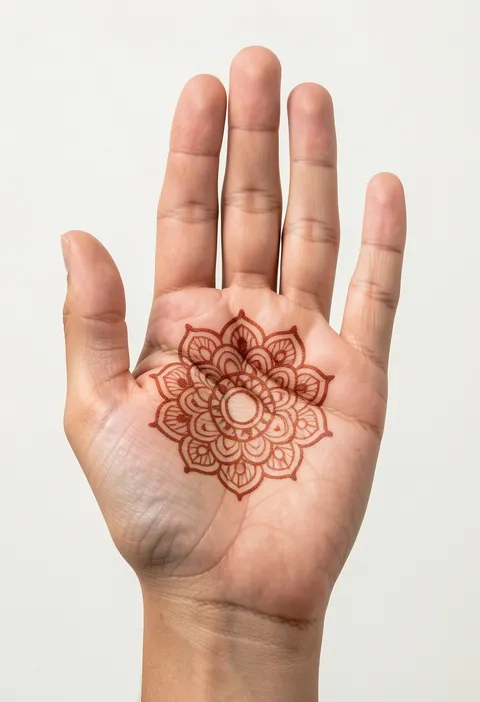
Keep the wrist bare for the rakhi or bangles and put a single motif in the centre of the hand with a vine on one finger.
Timing across the festival week
Festivals often come in clusters, so plan for the stain to last. A design applied the day before Karva Chauth will still show through Diwali a few days later if you keep the paste on overnight and avoid scrubbing the hands. Reapply only the fingertips if they fade first.
Browse every bridal design and every design for girls, or see the Eid guide for the other half of the calendar.
Frequently asked questions
Which festivals are mehndi traditionally worn for?
Karva Chauth, Teej and Diwali are the big ones, along with Eid, Raksha Bandhan and Navratri. Karva Chauth and Teej call for the fullest designs; Diwali and Rakhi are usually lighter.
Should Karva Chauth mehndi be as full as bridal?
Close to it. Karva Chauth is one of the few occasions where married women wear near-bridal density on the palm and the back of the hand.
What is a good quick design for Raksha Bandhan?
A single wrist motif on the back of the hand, leaving the wrist itself bare for the rakhi.
