
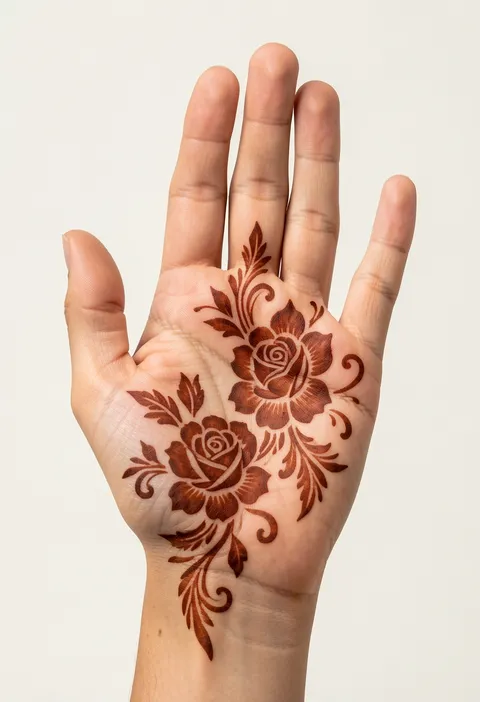
What makes a design Arabic
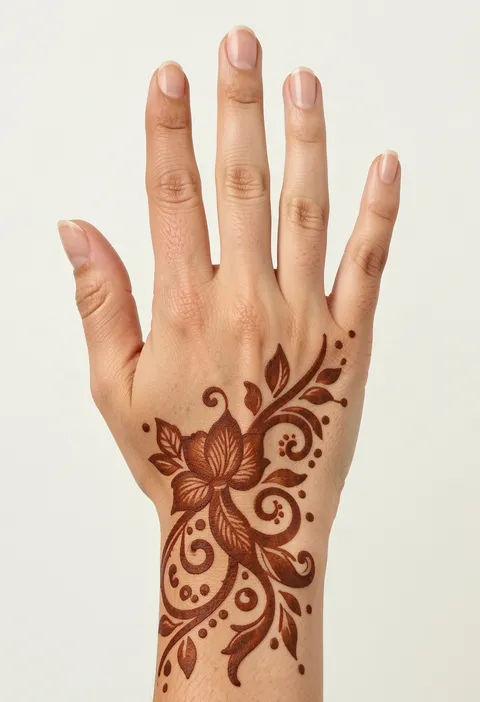
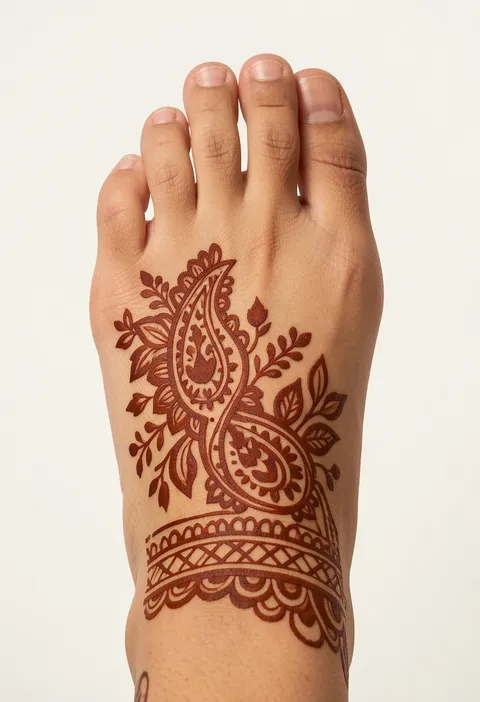
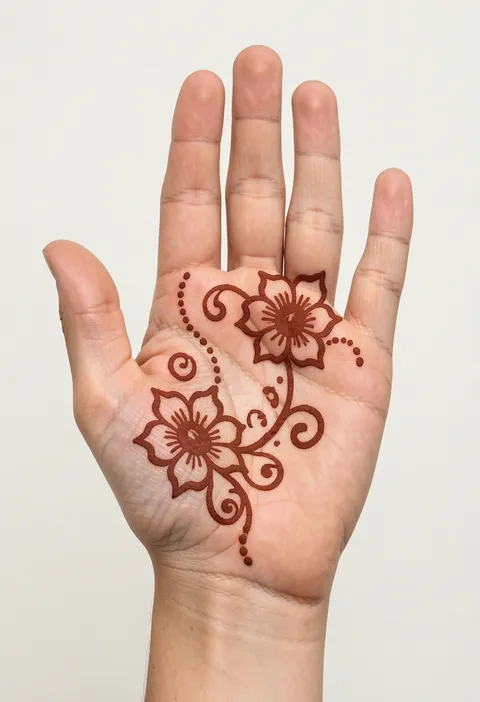
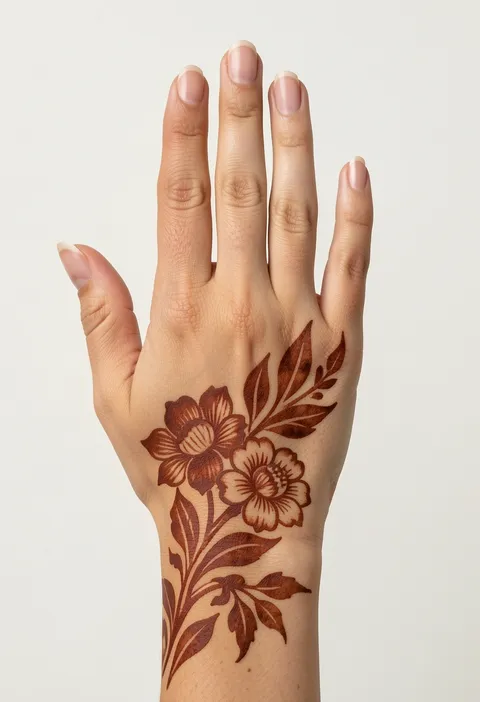
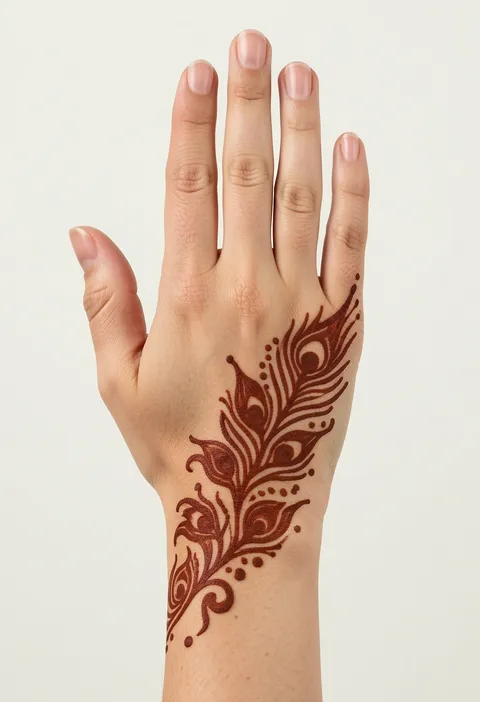
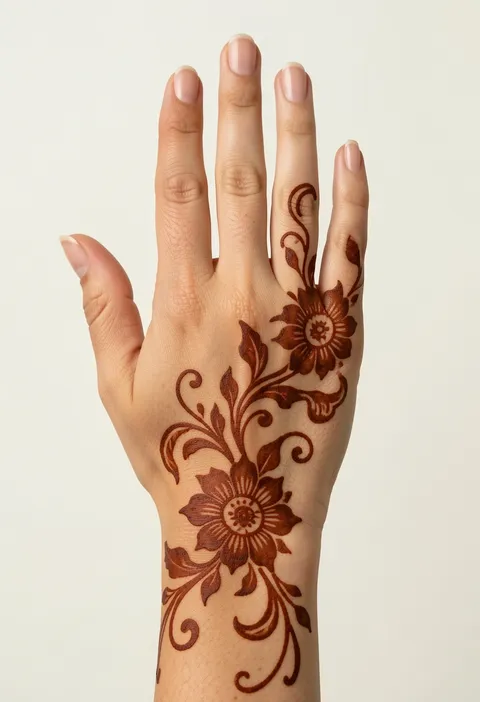
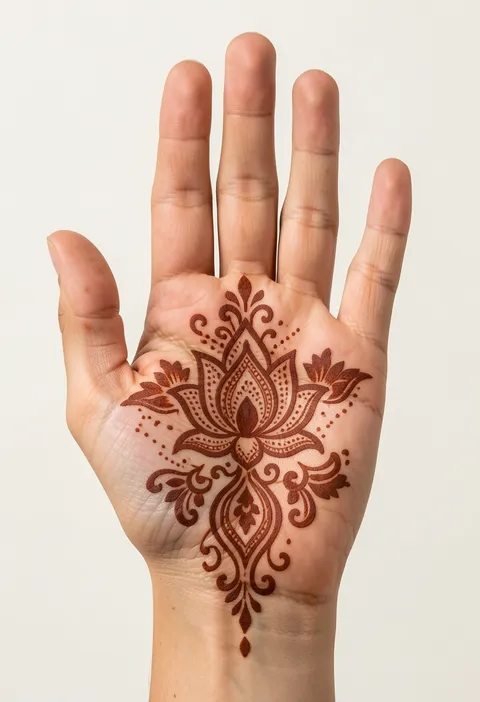
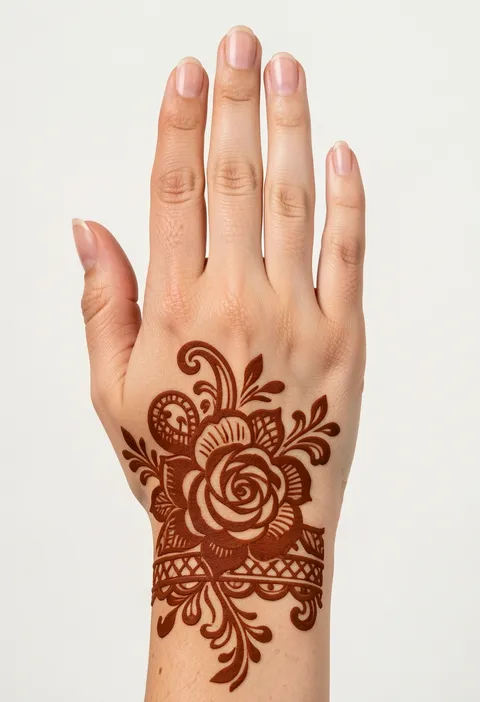
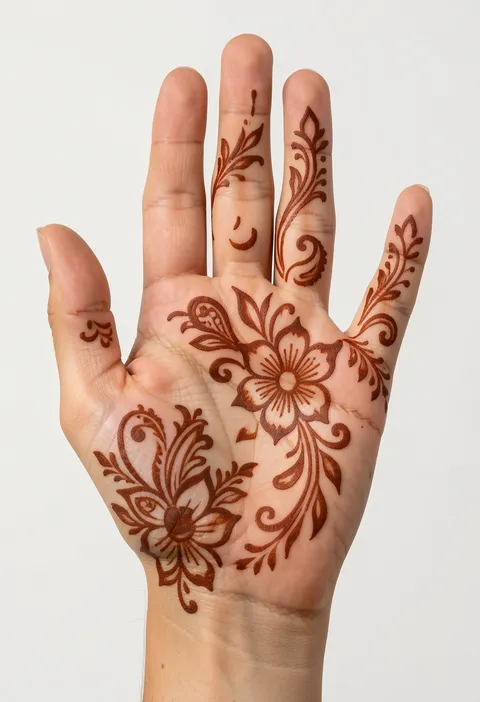
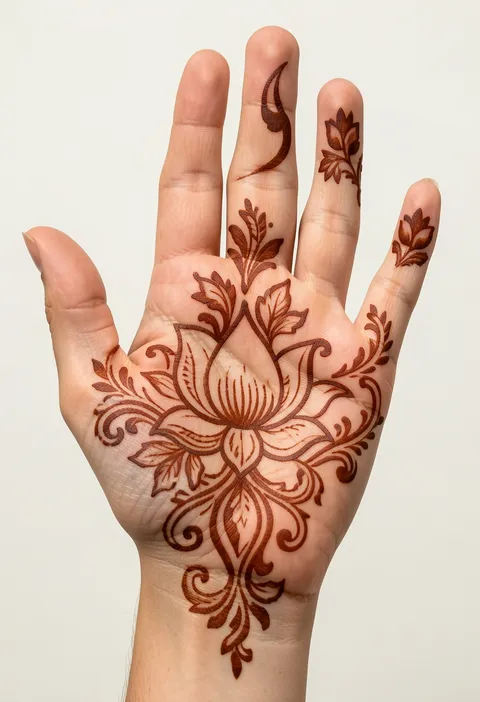
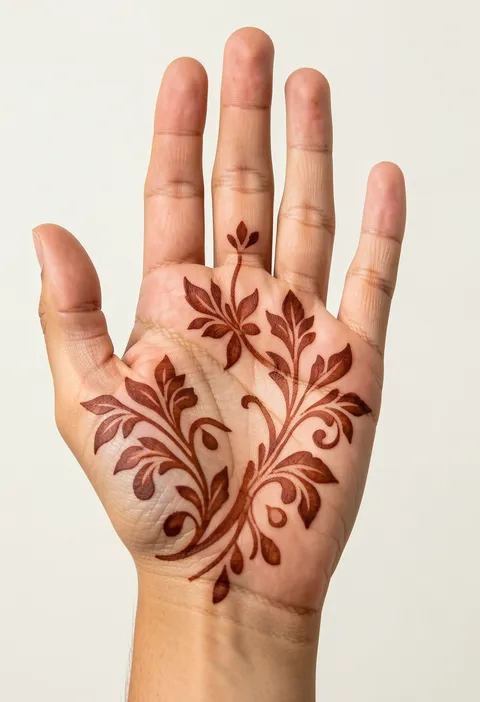
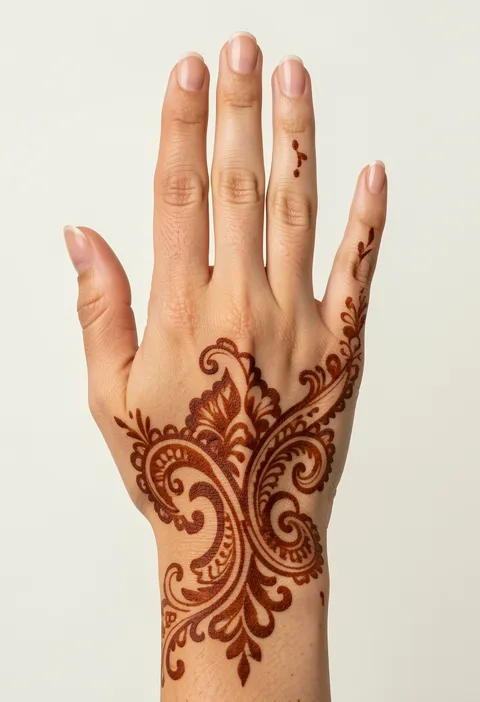
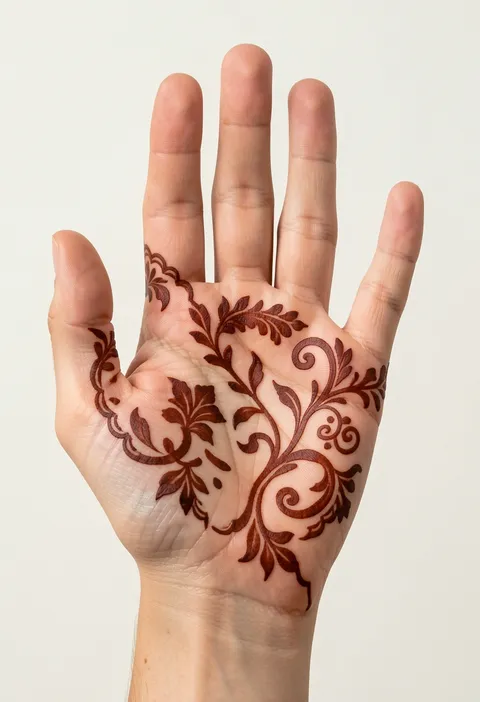
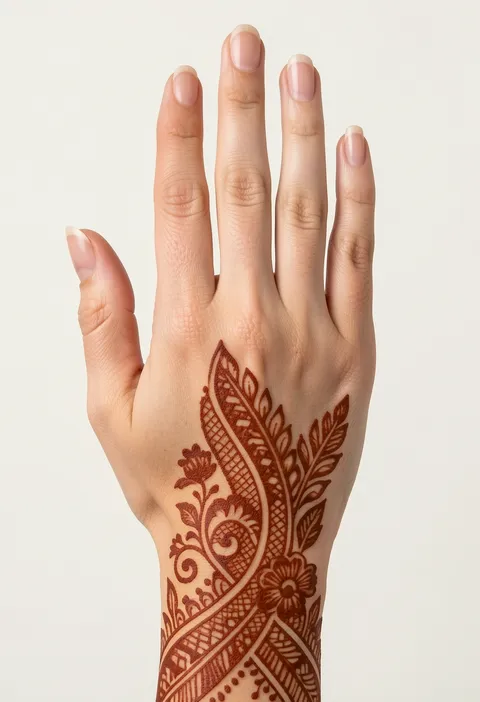
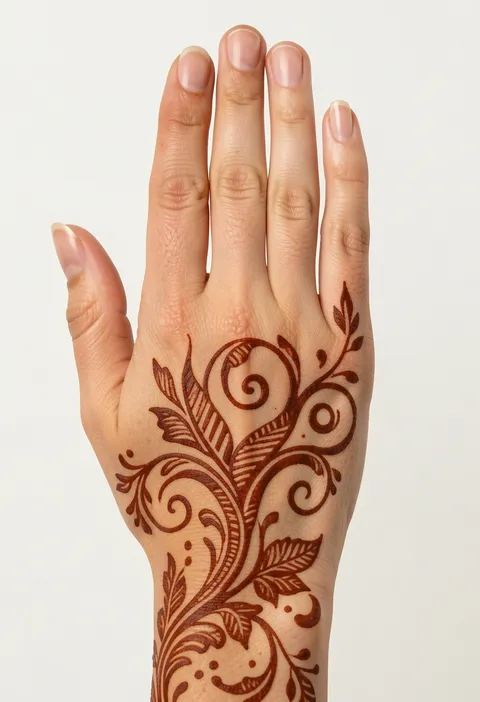
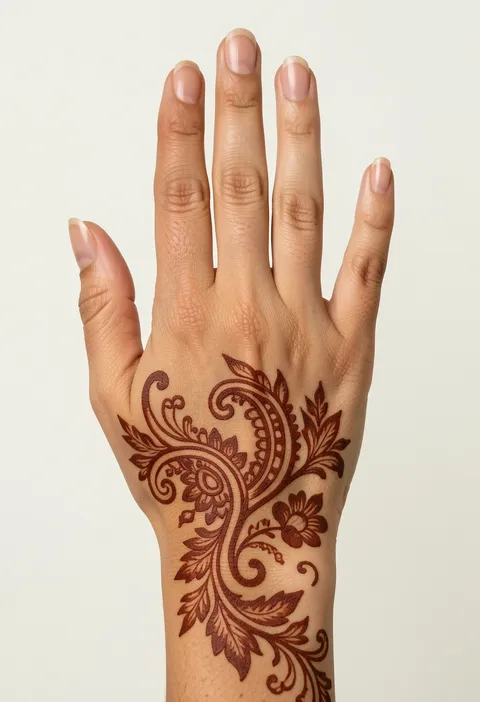
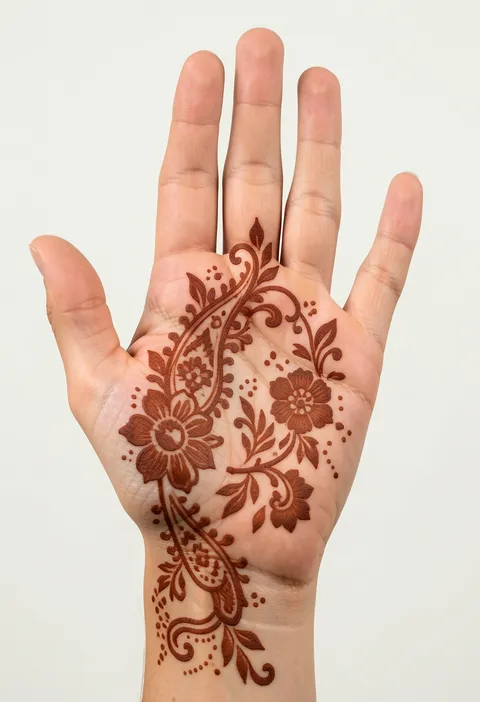
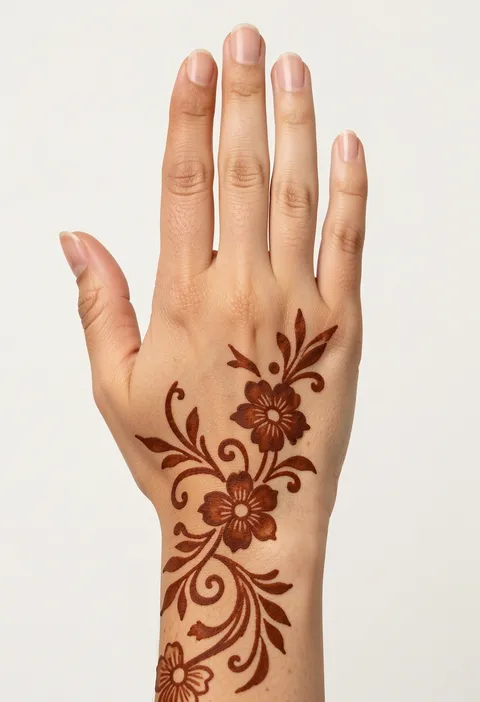
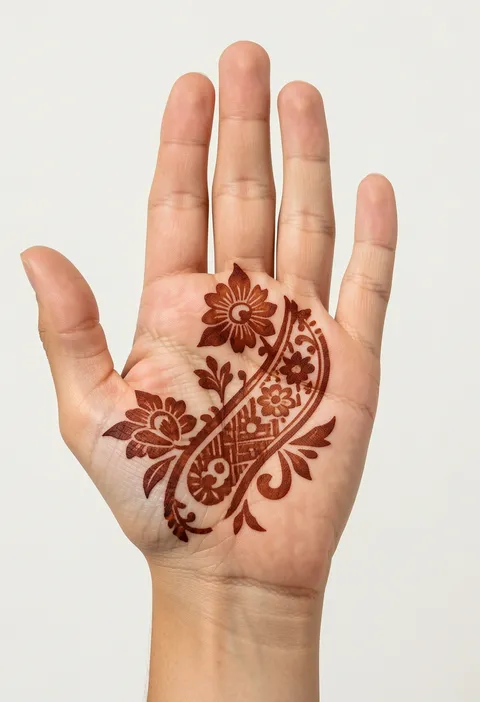
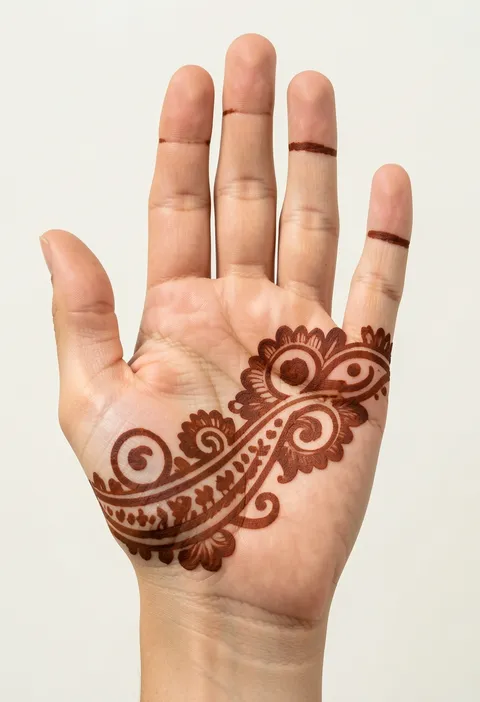
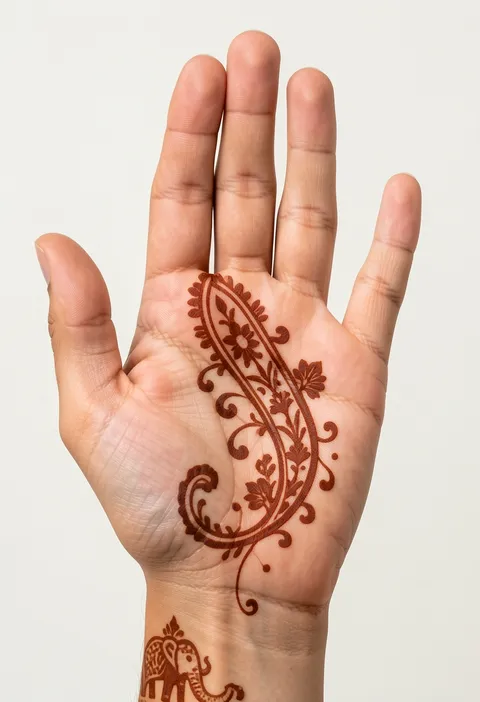
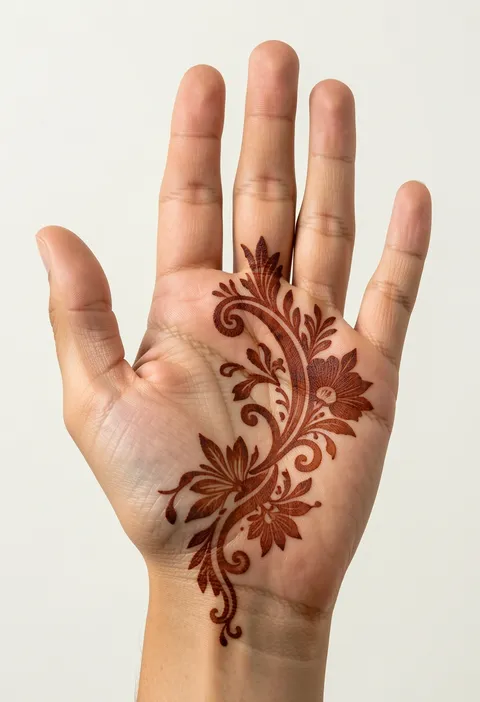
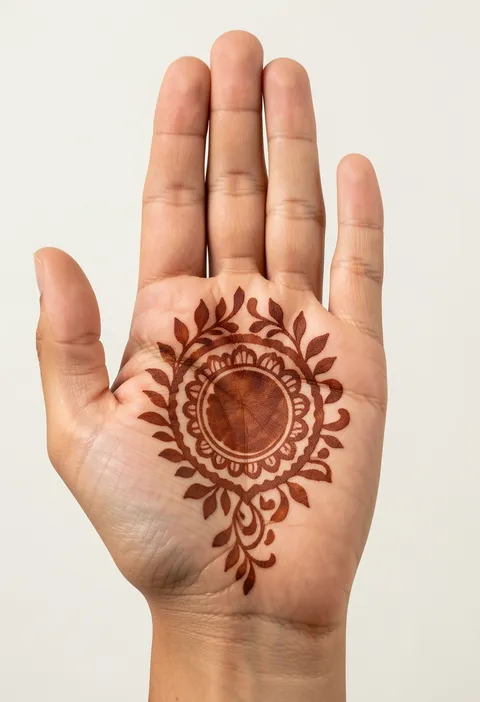
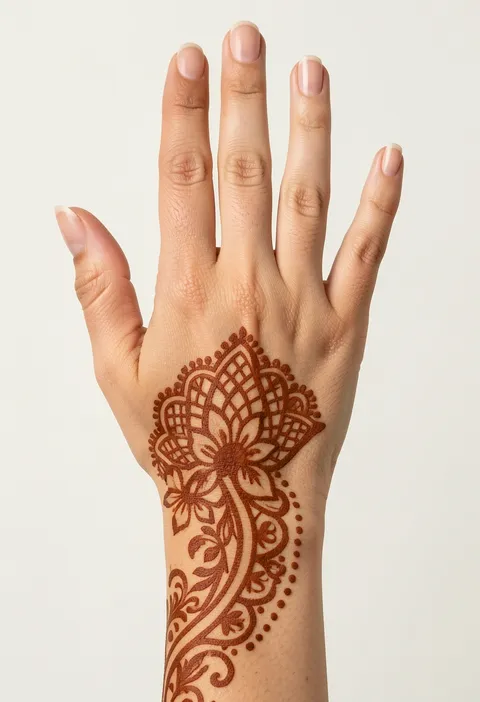
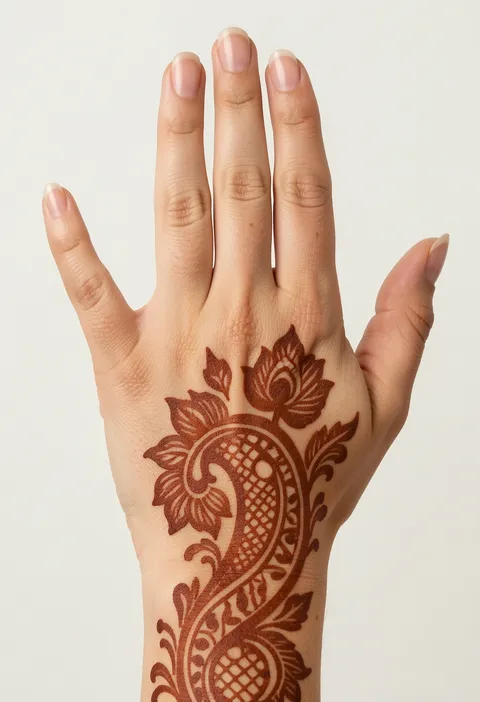
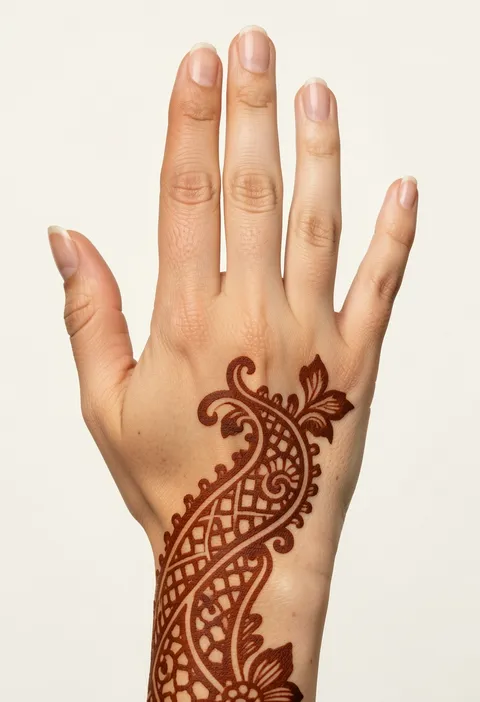
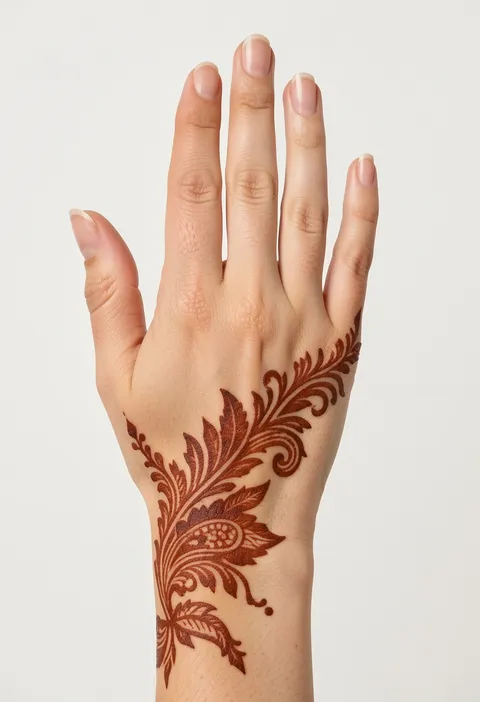
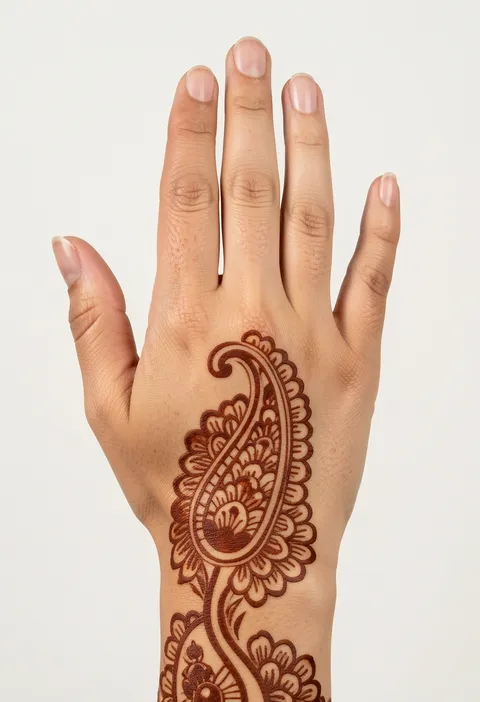
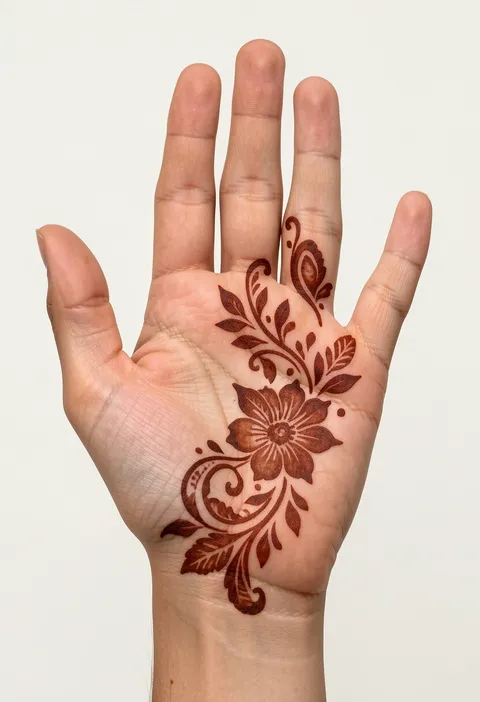
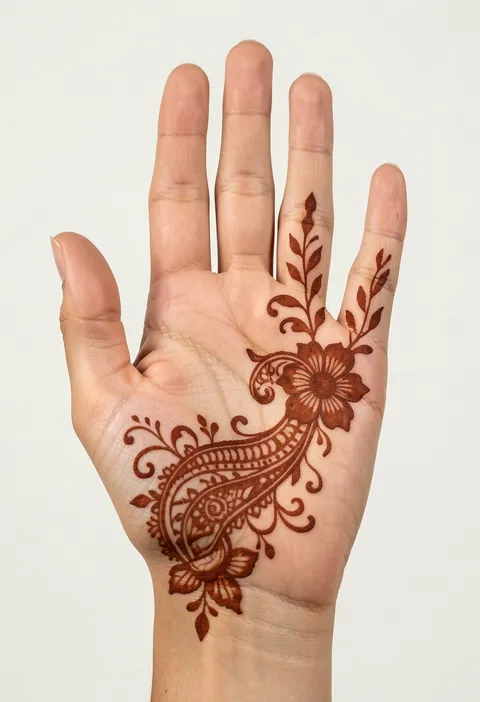
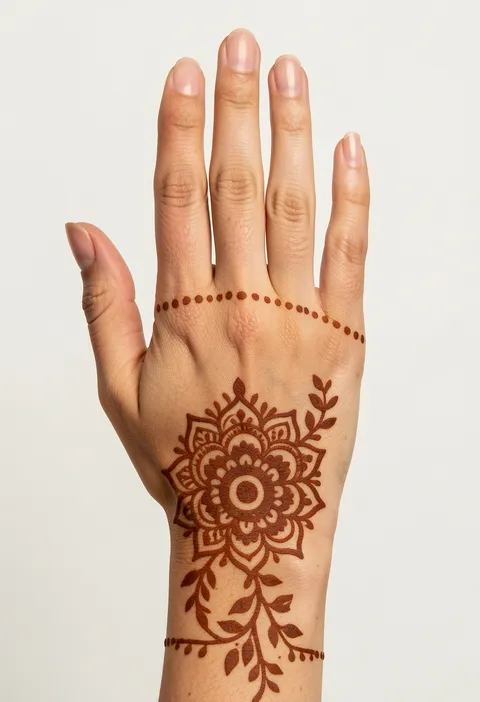
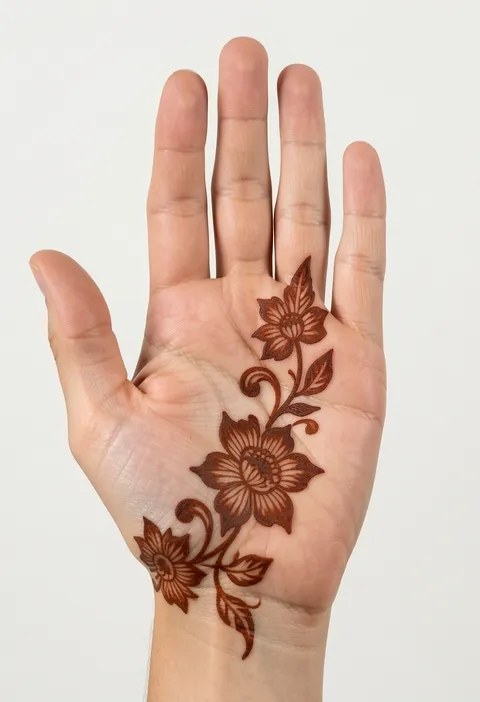
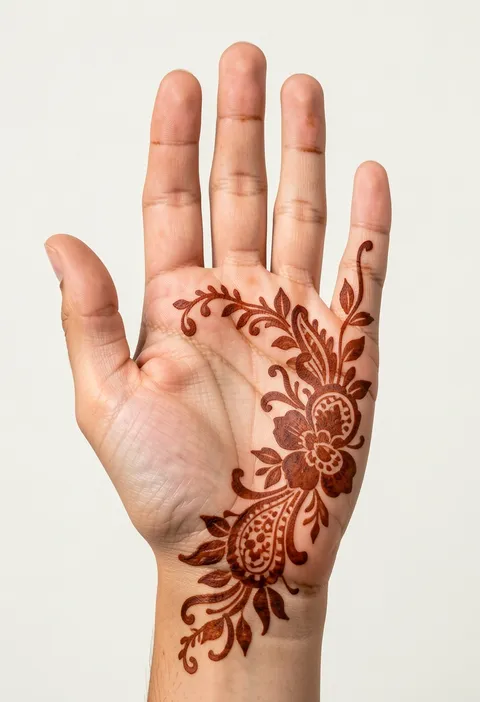
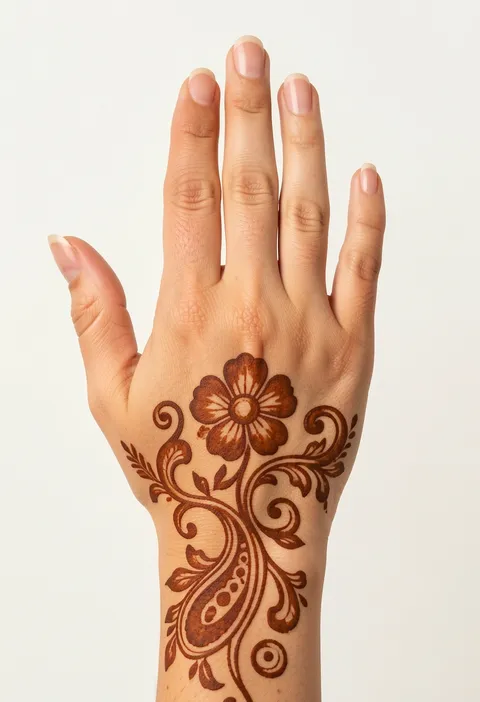
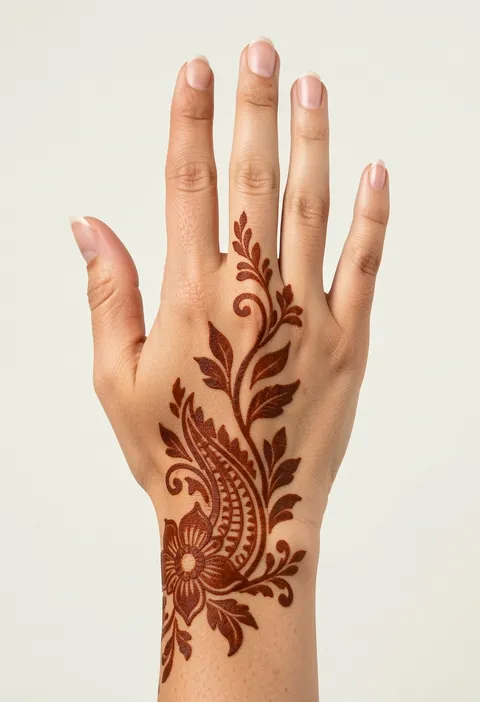
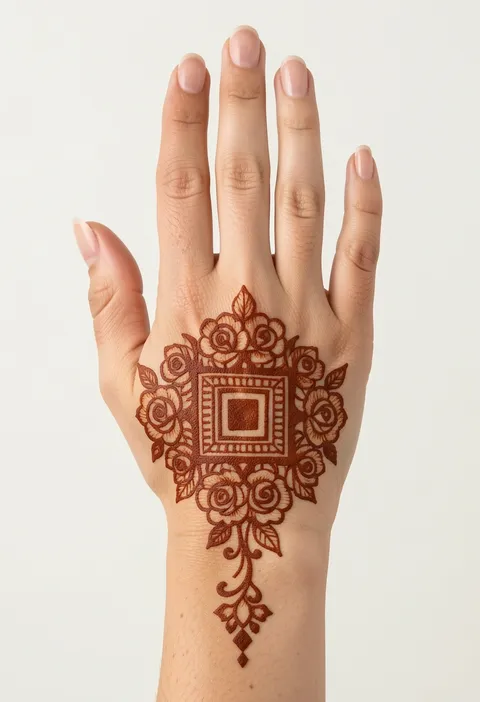
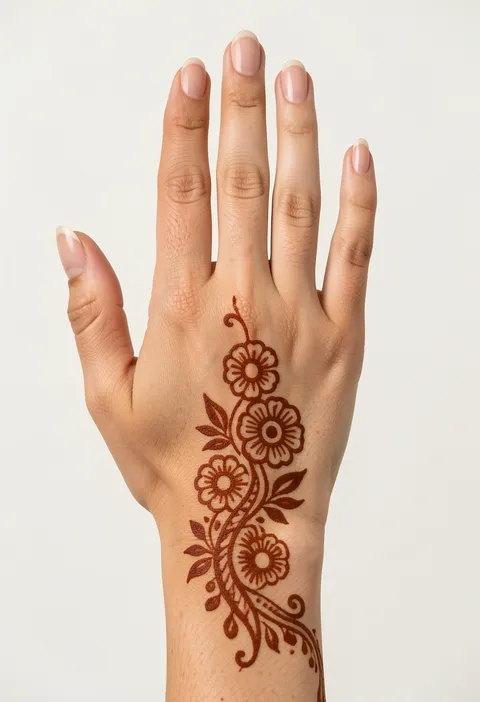
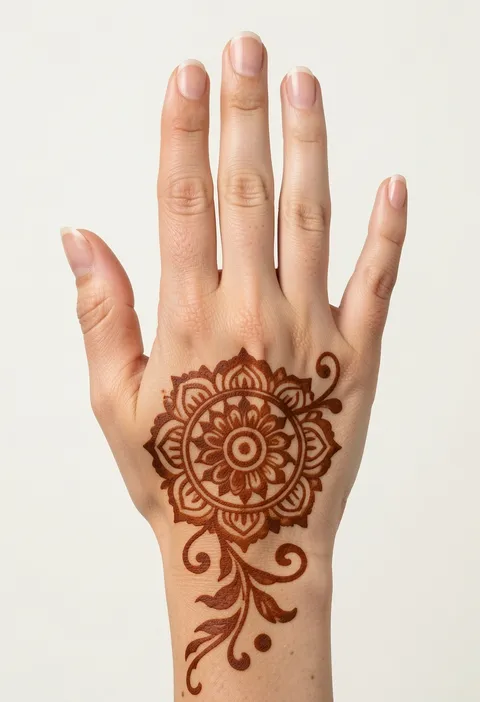
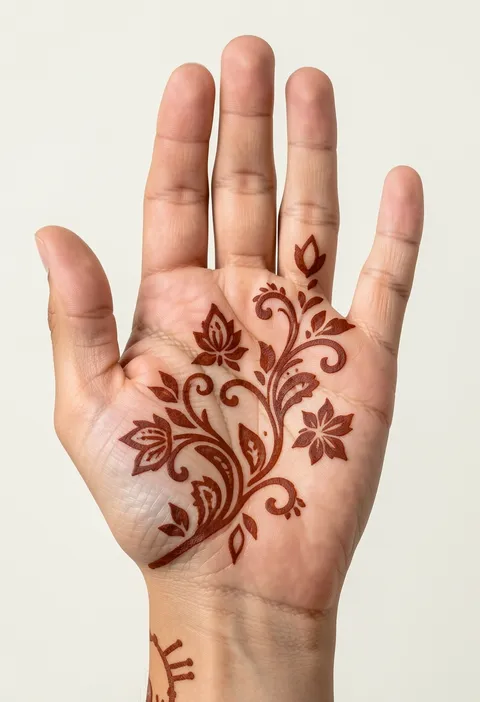
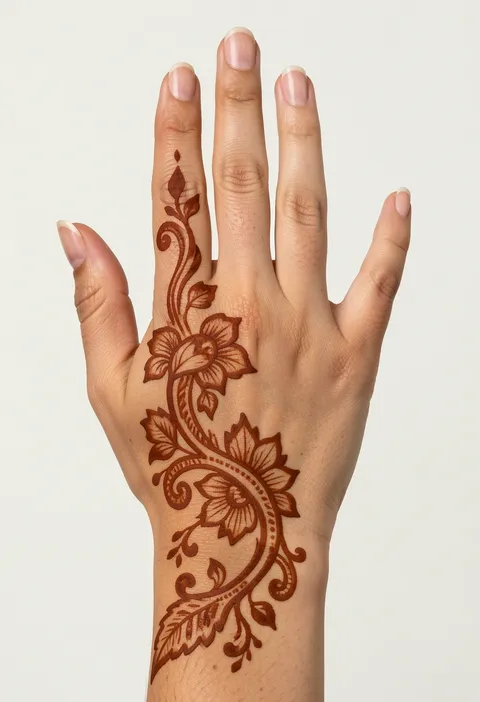
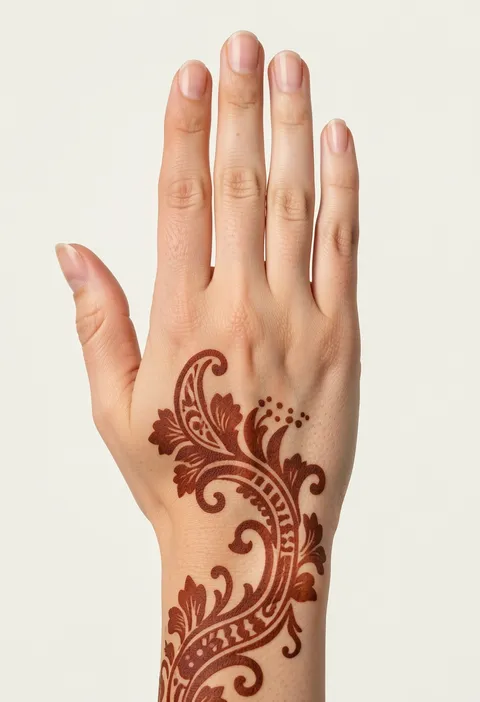
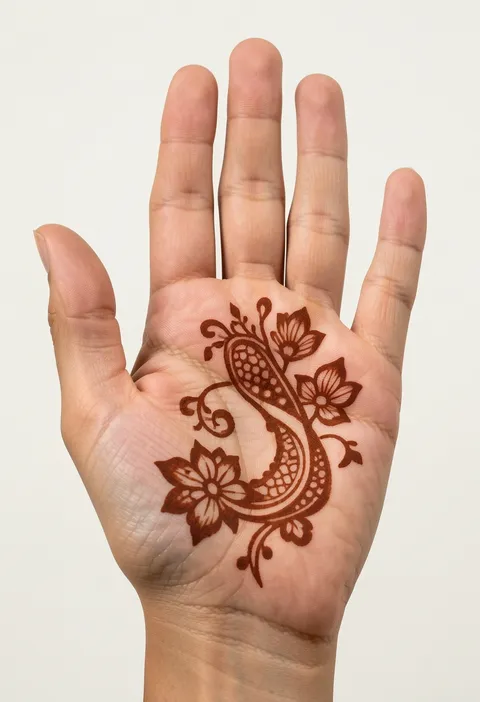
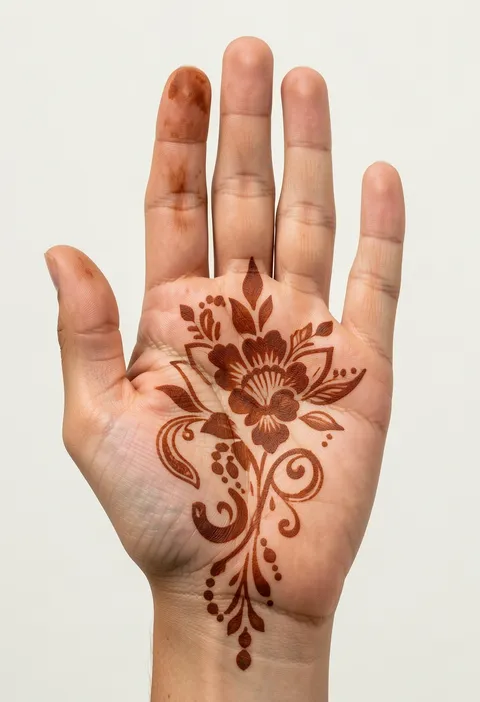
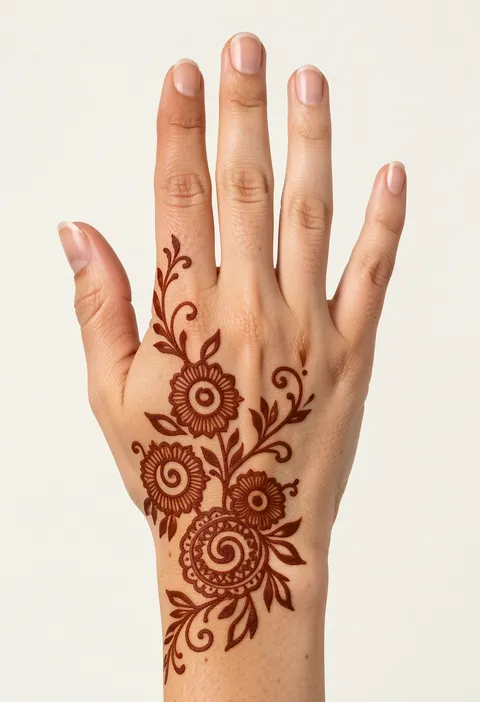
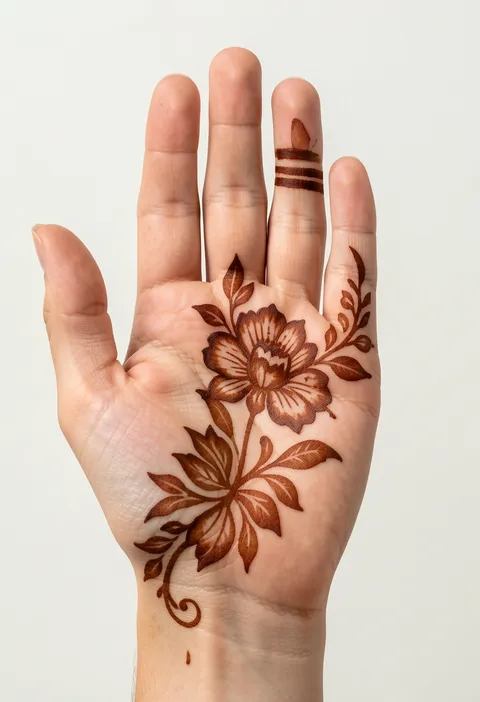
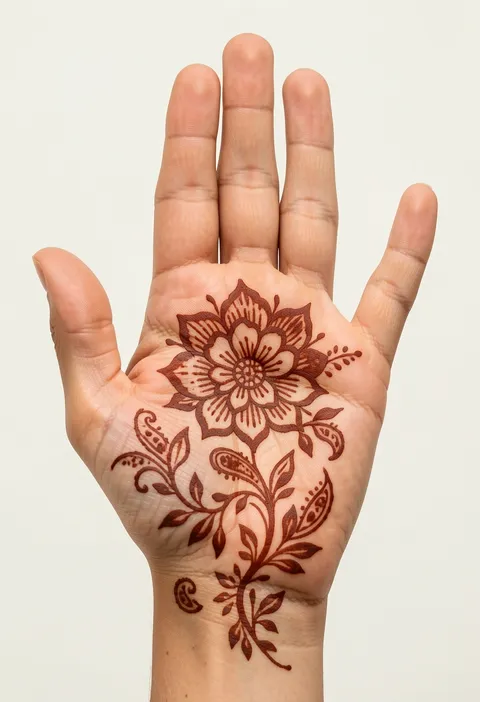
Three things: a thick outline that is often shaded inside, a diagonal sweep from one corner of the hand to the opposite finger, and open space around every element. Unlike dense Indian bridal work, Arabic designs never fill the whole hand.
Typical motifs are large open roses, paisleys with shaded centres, trailing leaves and a single bold vine. Fingertips are usually capped or left bare.
When to wear Arabic mehndi
Arabic designs are the go-to for Eid, weddings you are attending as a guest, engagements and parties, because they look complete after 20 to 30 minutes of application. Brides who want a lighter modern look also choose Arabic over full bridal fill.
For the darkest stain, leave the paste on for at least six hours, keep the area warm, and avoid water for the first twelve hours after it flakes off.
Frequently asked questions
What is the difference between Arabic and Indian mehndi?
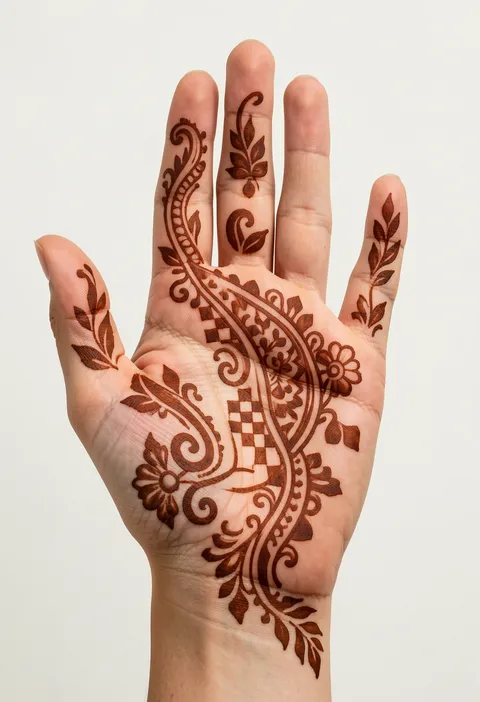
Arabic designs use bold outlines, big florals and open skin. Indian designs are finer, denser and often cover the whole hand with lattice, paisleys and figures.
Is Arabic mehndi easy for beginners?
Yes. The thick lines and open layout hide unsteady strokes, and there is far less to draw than a bridal design.
How long does an Arabic design take?
Twenty to forty minutes per hand, depending on how much shading you add inside the outlines.
Guides using these designs
- Wedding Guest Mehndi Designs: Elegant Henna Ideas
- Mehndi Night Designs for the Bride's Family & Friends
- How to Make Mehndi Darker: What Actually Works
- Festival Mehndi Designs: Diwali, Teej & Karva Chauth
- Engagement Mehndi Designs for the Ring Ceremony
- Eid Mehndi Designs: Henna Ideas for Chaand Raat
- Birthday & Party Mehndi Designs: Fun Henna Ideas
