

How to choose a mehndi design
Start with three questions: where will the design go, how long can you sit still, and what is the occasion? Those answers narrow hundreds of designs down to a handful. A wedding guest with half an hour needs something very different from a bride with a whole afternoon, and a child at an Eid party needs something different again.
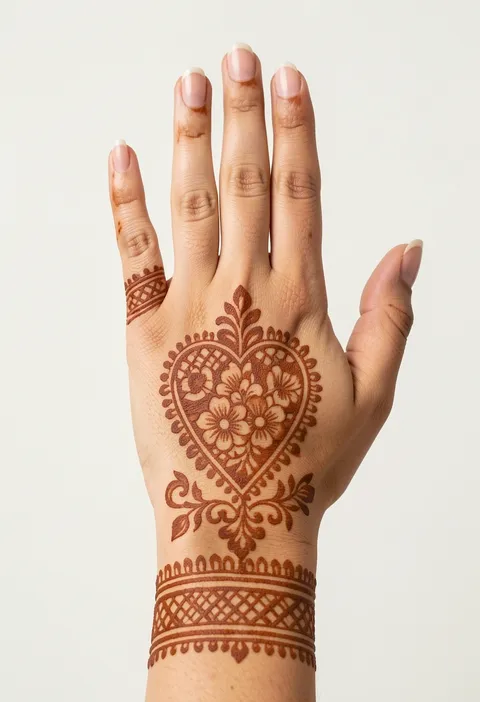
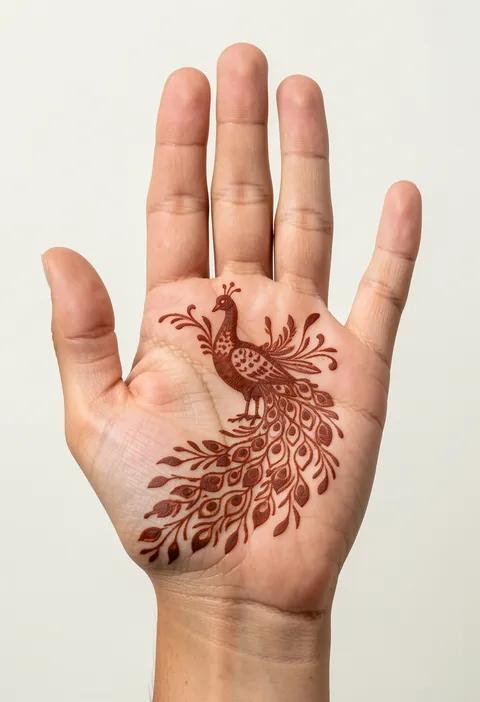
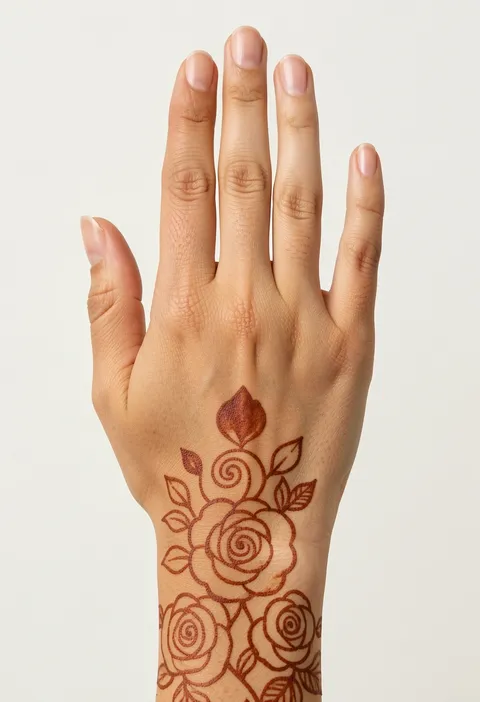
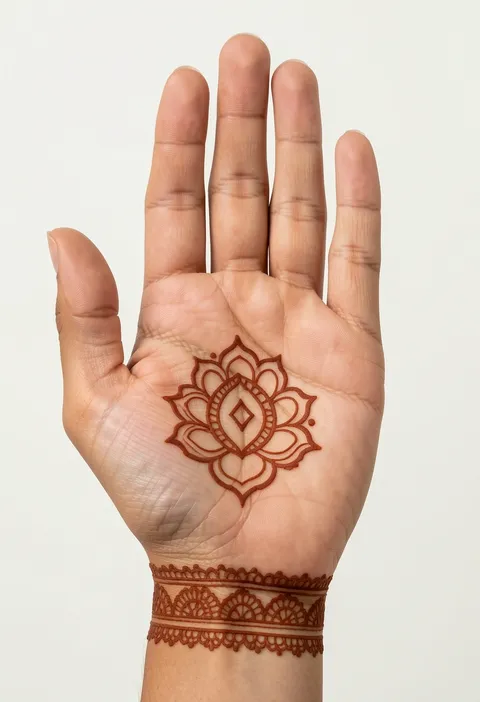
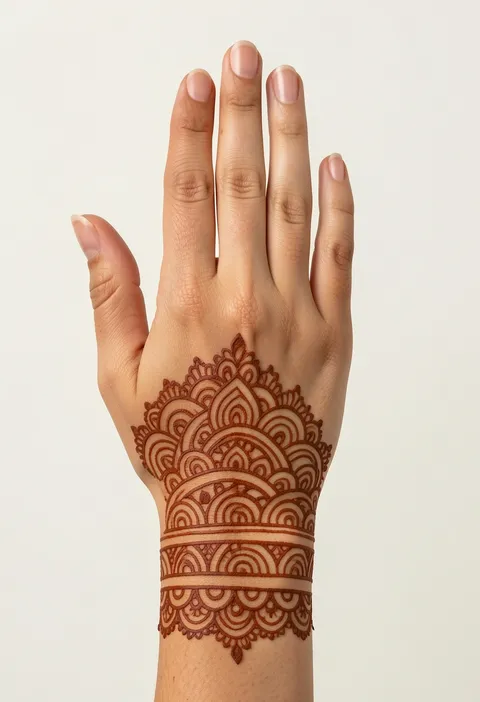
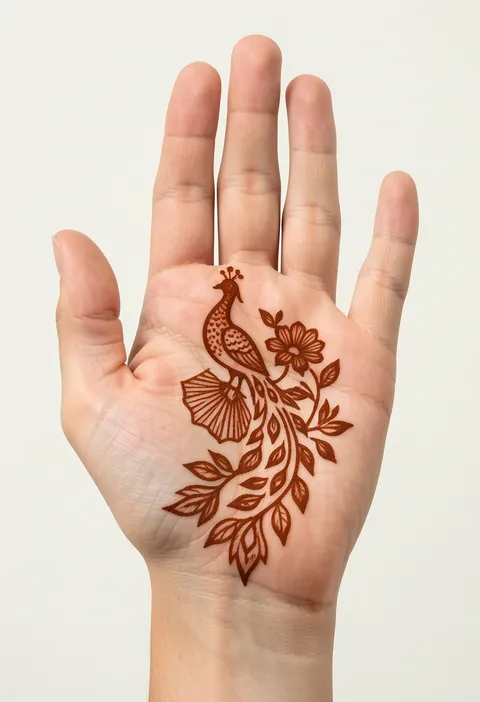
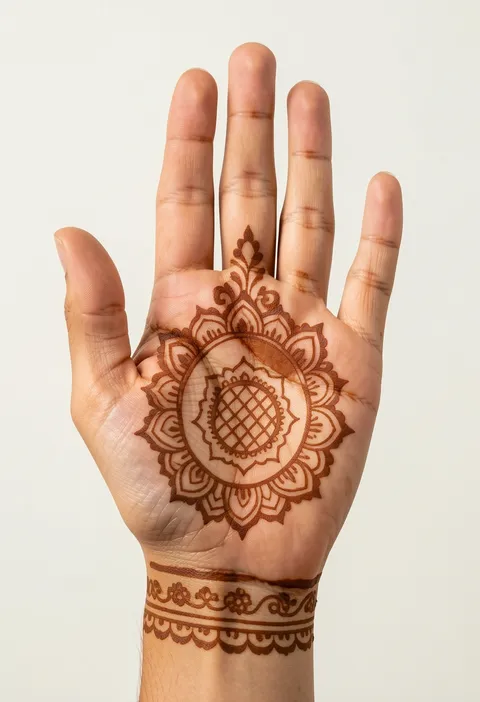
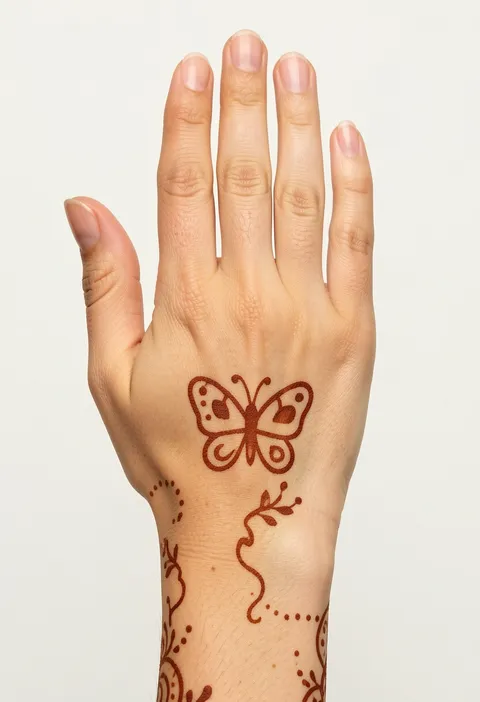
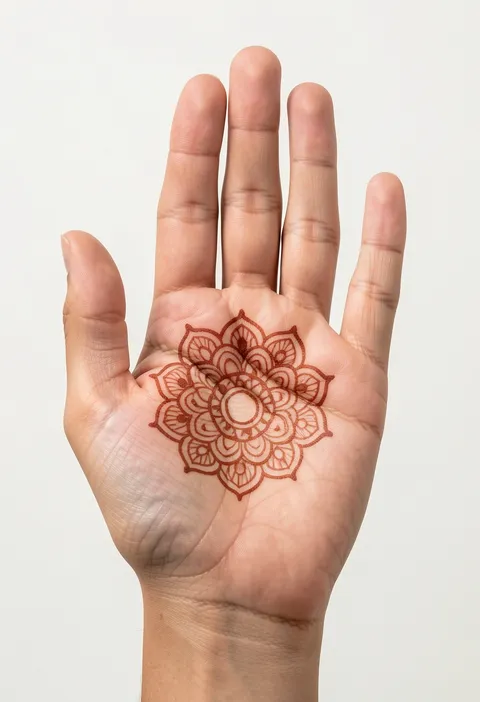
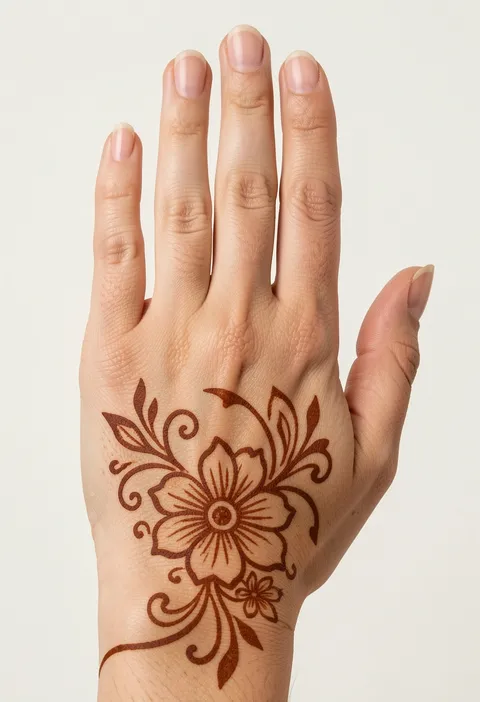
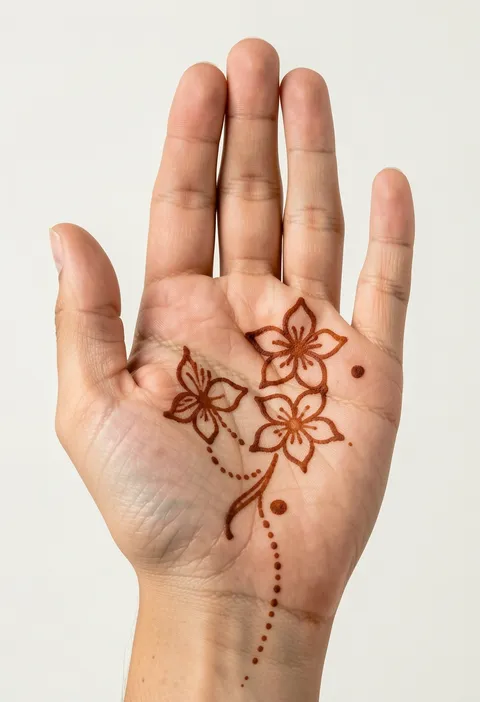
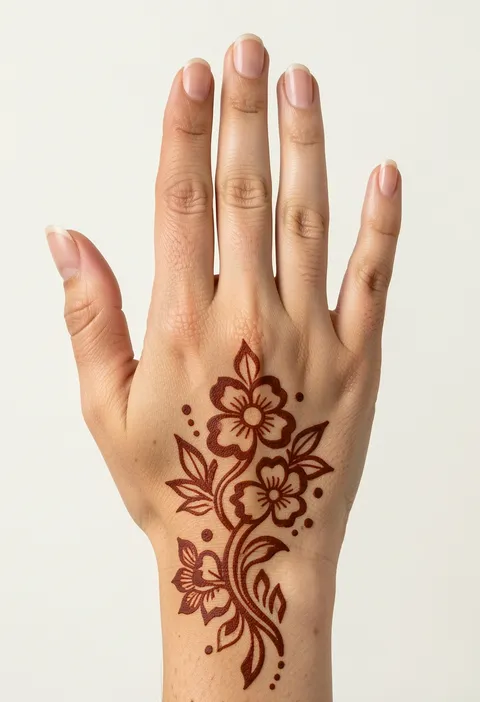
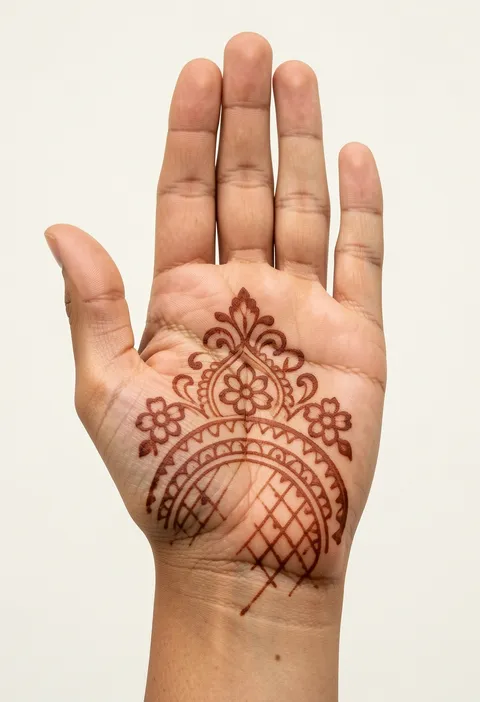
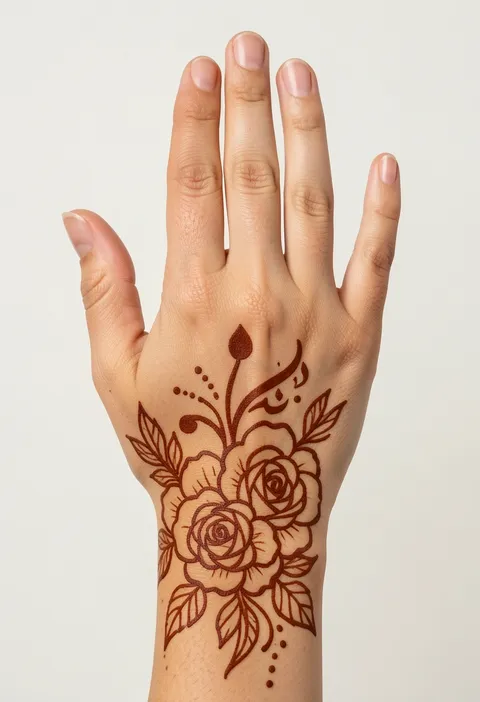
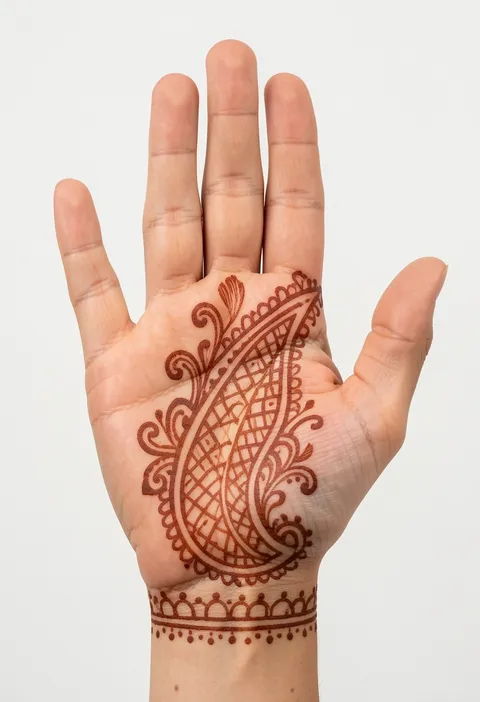
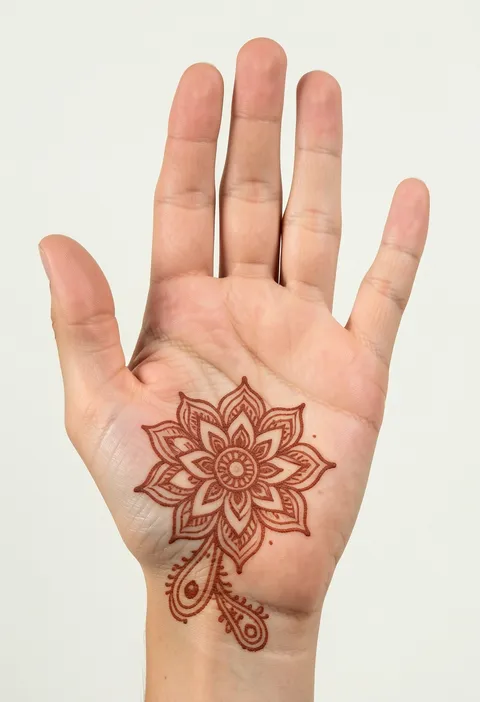
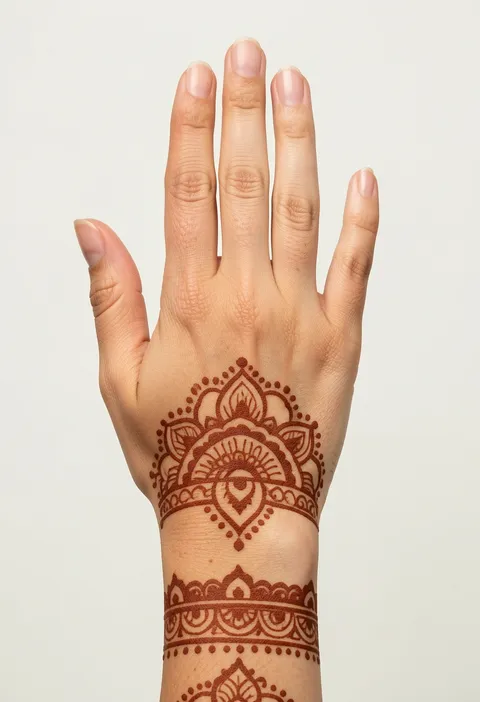
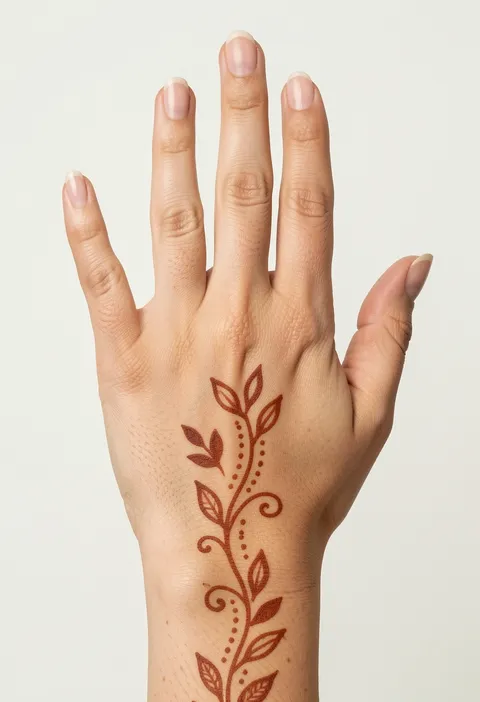
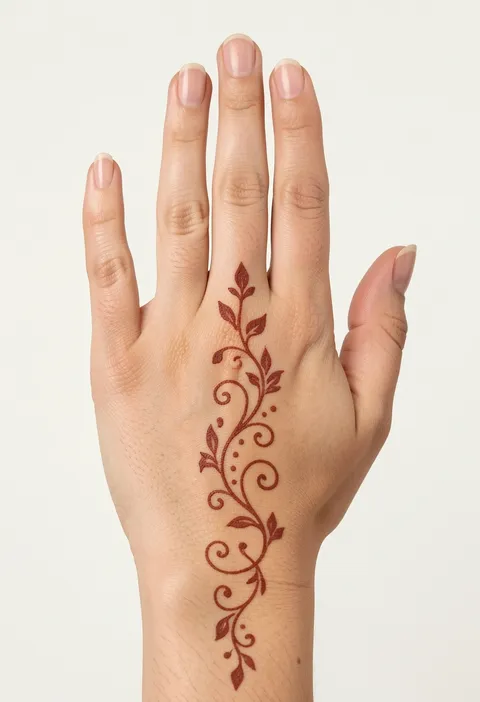
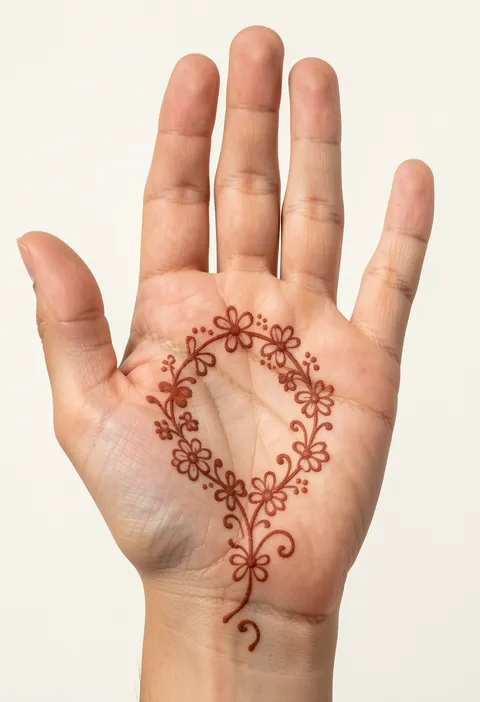
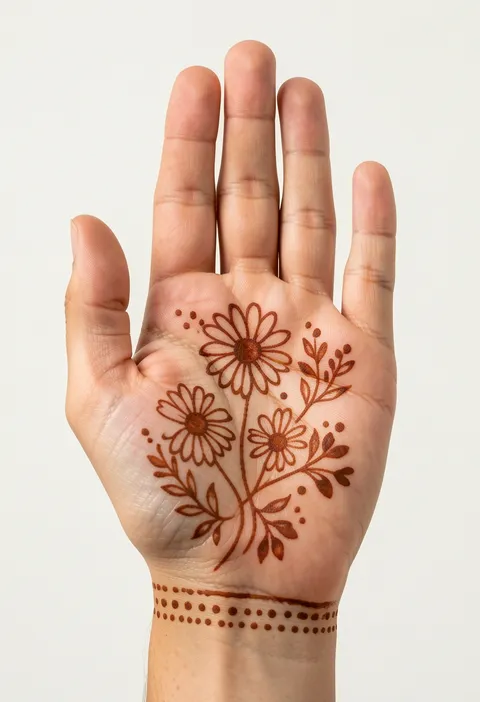
Next, think about how the design will be seen. The back of the hand is what shows in photographs and while you greet people, so bold shapes and clear spacing work best there. The palm stains the darkest of anywhere on the body and shows fine detail well. Feet take a longer-lasting stain and are usually matched to the hands for weddings.
Finally, save two or three favourites rather than one. Artists work at different speeds and some patterns suit a particular hand shape better, so having a back-up keeps the appointment relaxed. Open any design to see it full size, download the image, and show it to your artist or keep it beside you if you are applying the henna yourself.
Mehndi styles explained
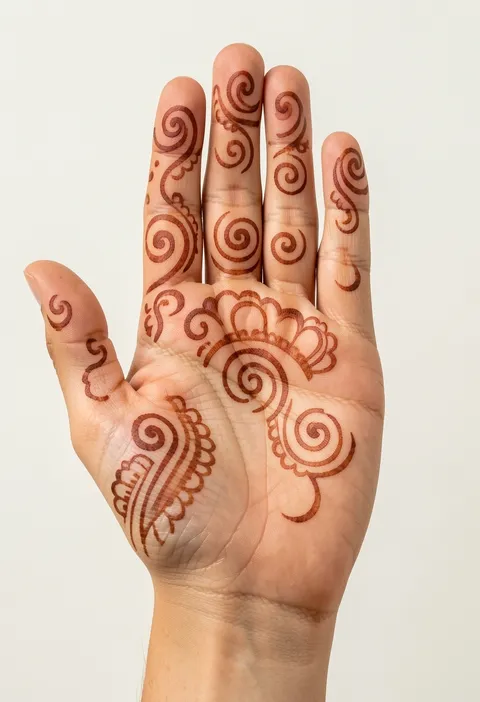
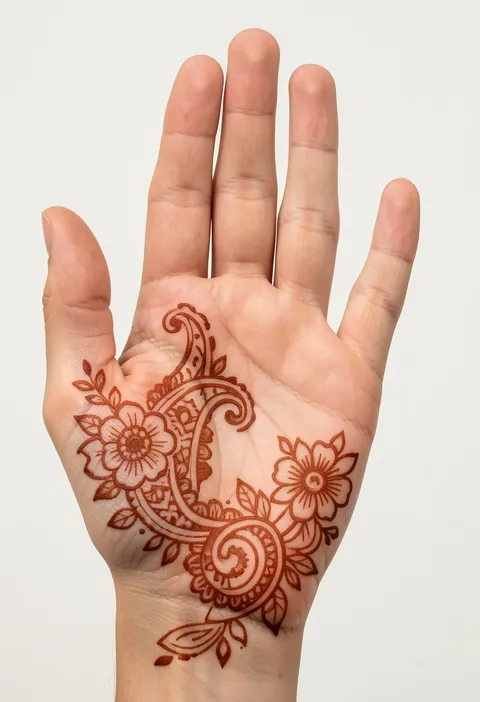
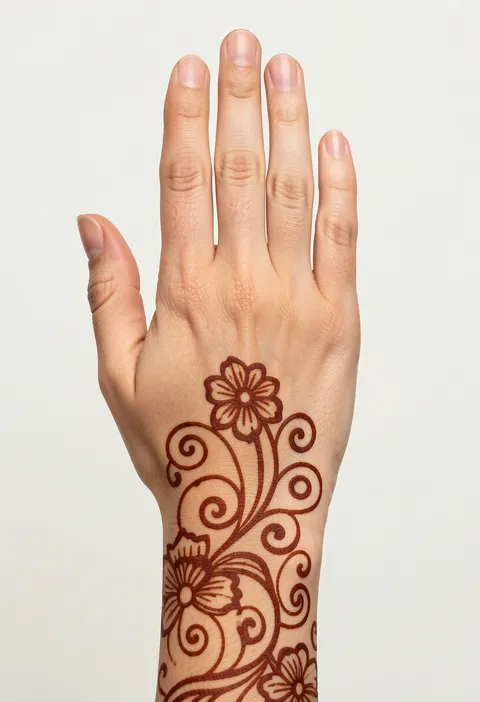
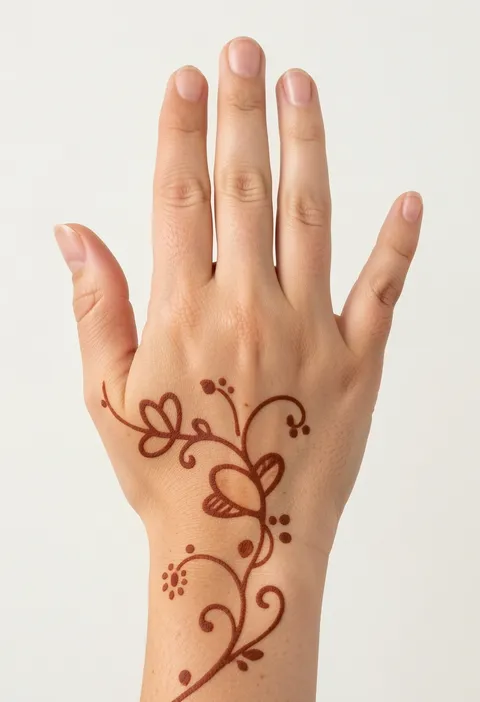
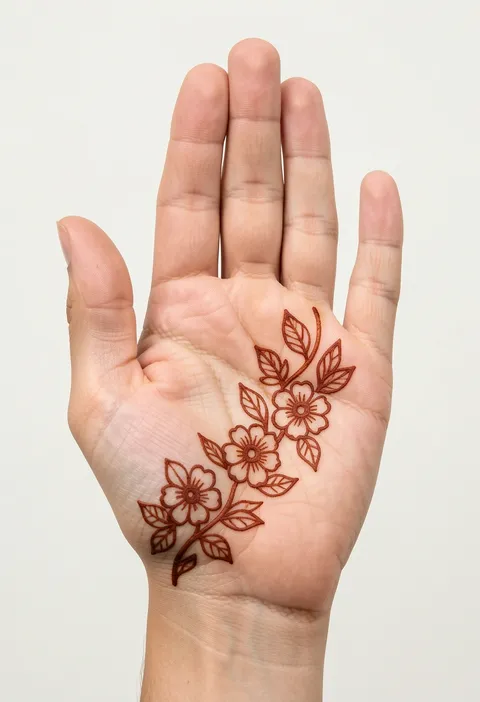
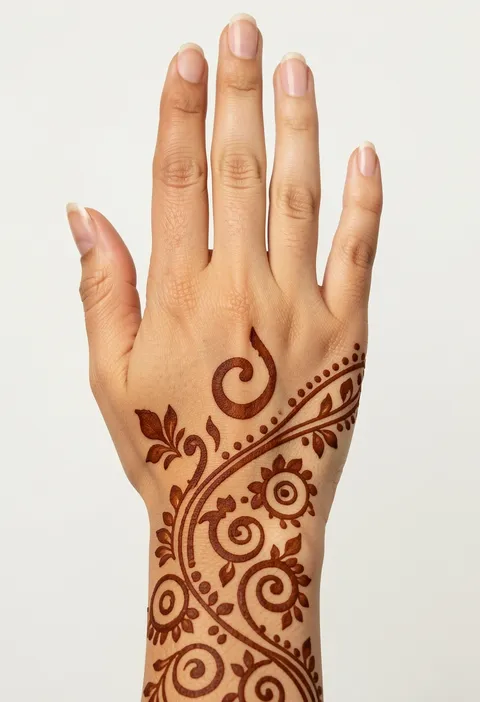
Arabic mehndi uses bold outlines, large flowing flowers and open skin between the motifs, usually in a diagonal trail. It is quick to apply and forgiving for beginners. See it on the back hand or the palm.
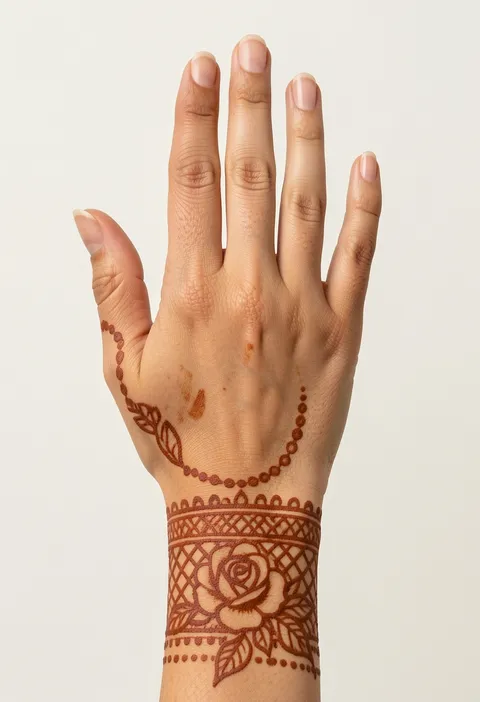
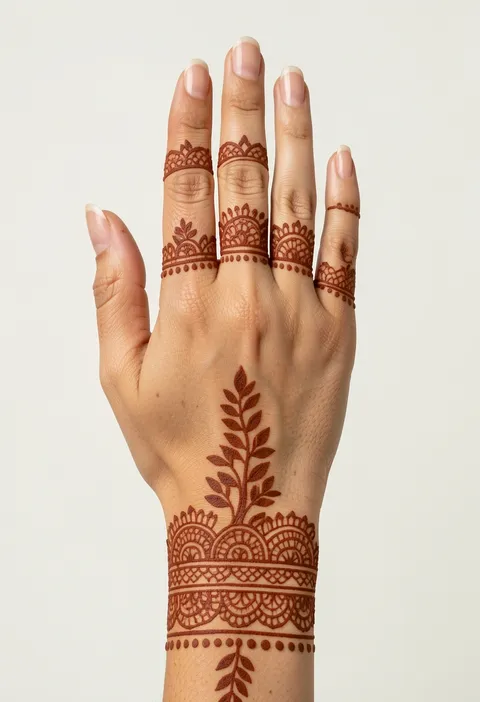
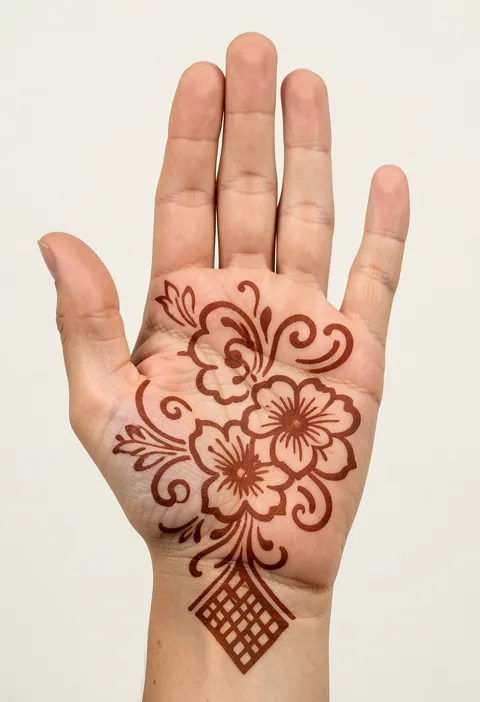
Bridal mehndi is the fullest style: a wrist cuff, a central medallion, peacock or figure, lattice fill and patterned fingers, often extending up the arm. Compare bridal back-hand and bridal palm designs, and bridal feet to match.
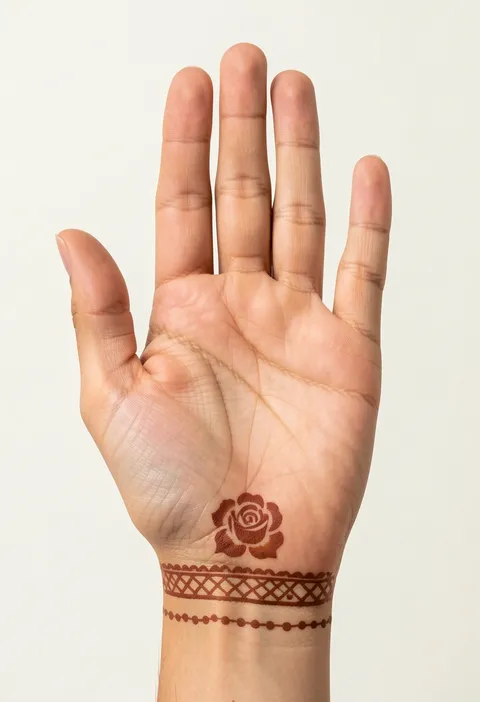
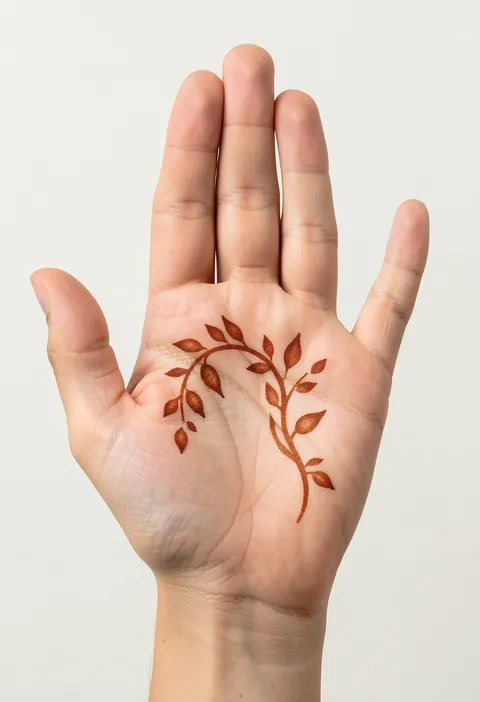
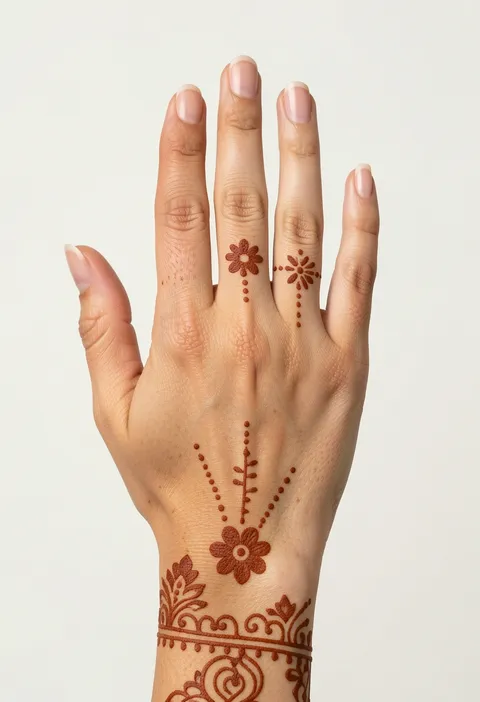
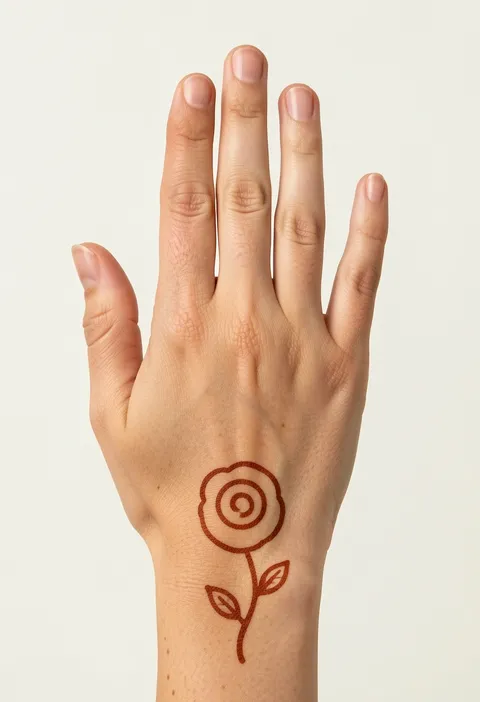
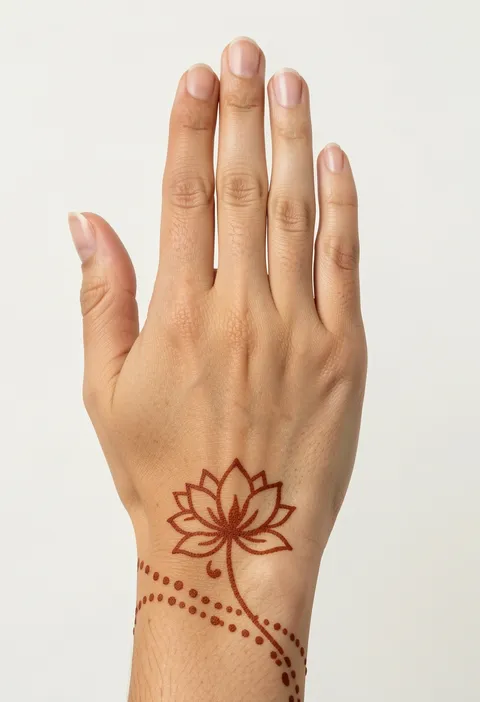
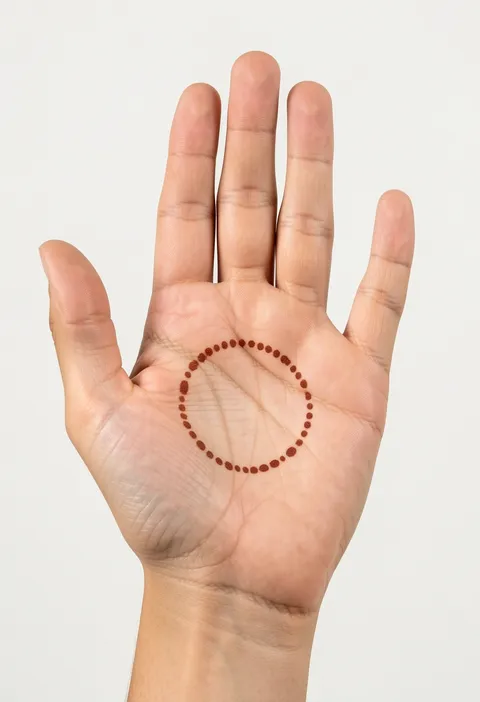
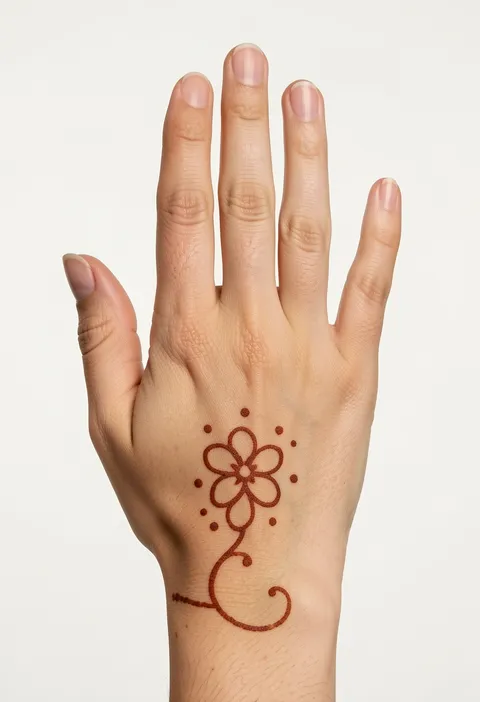
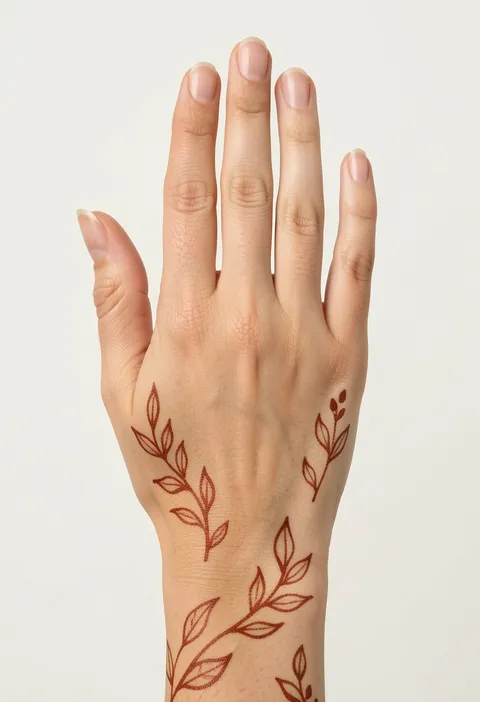
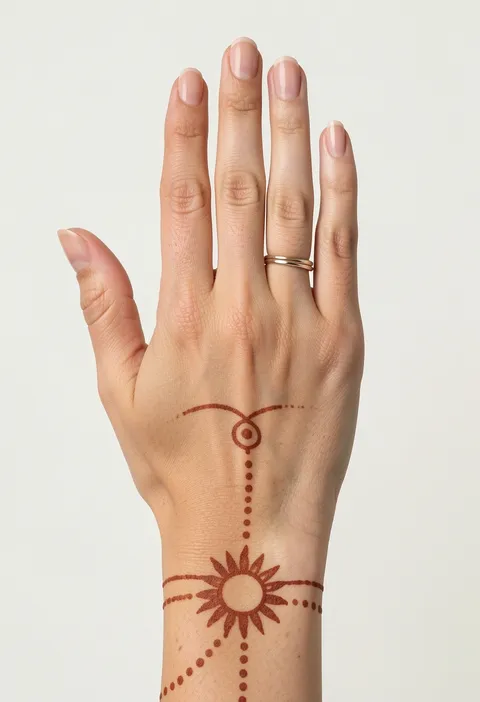
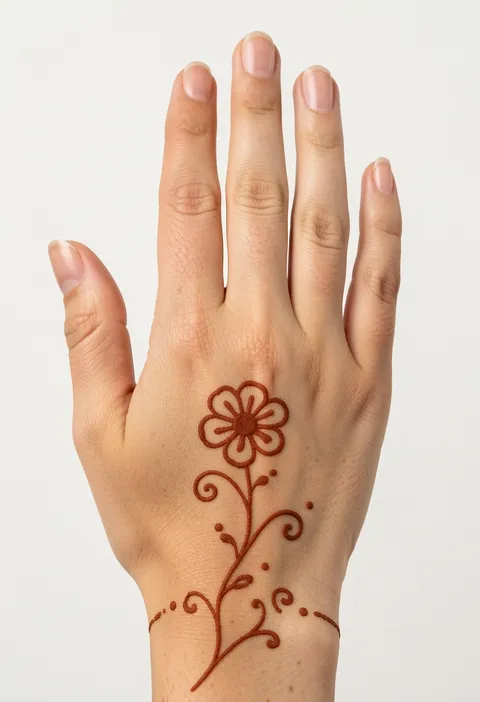
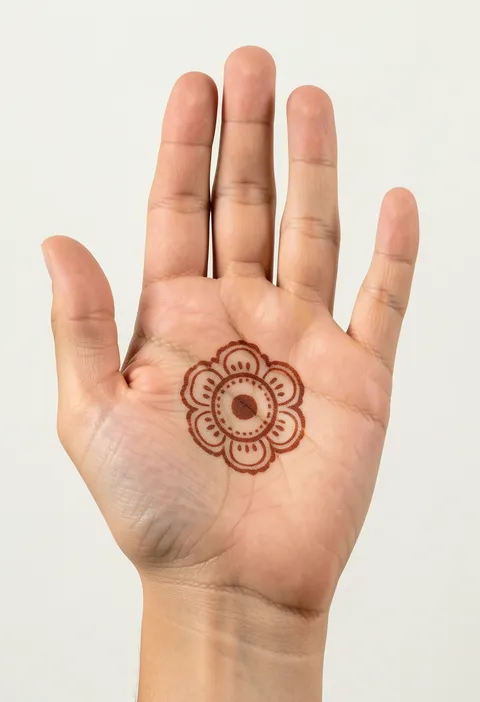
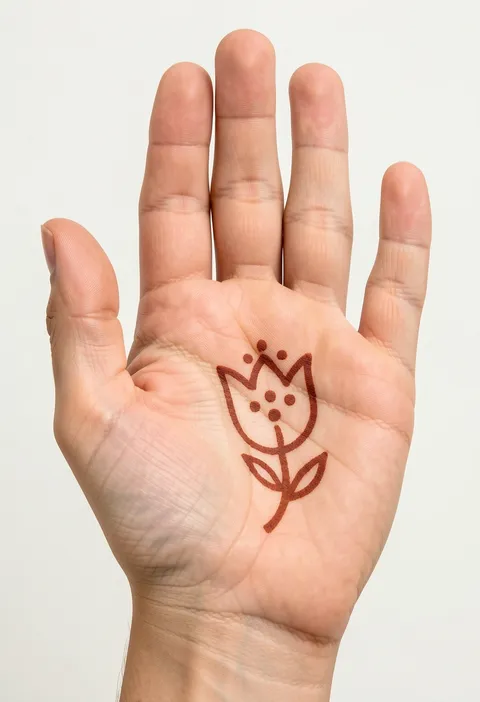
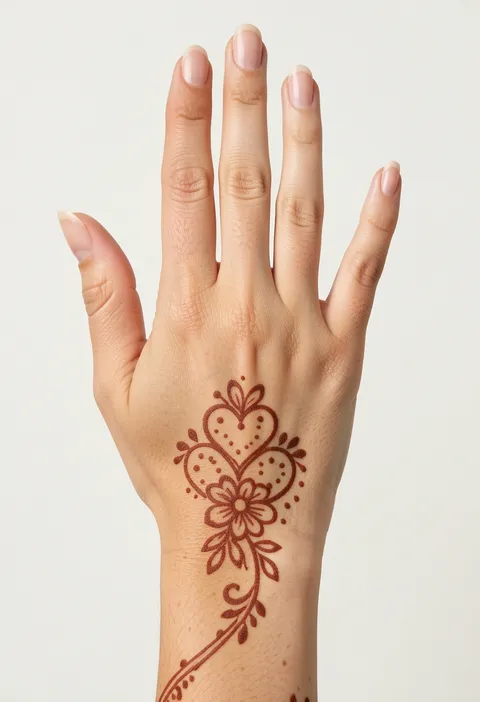
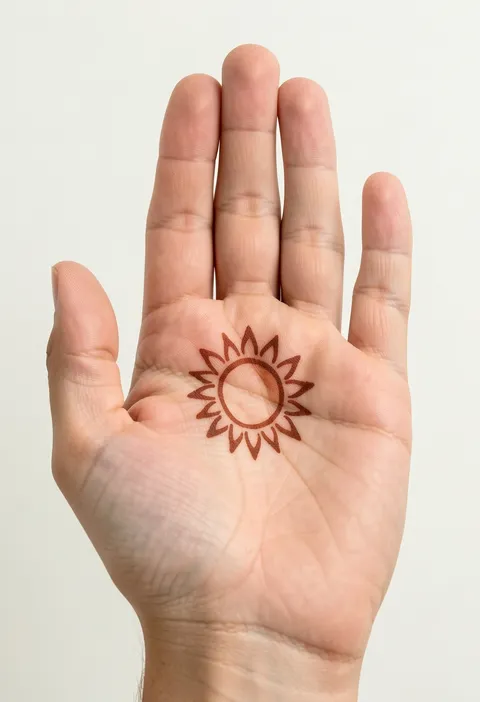
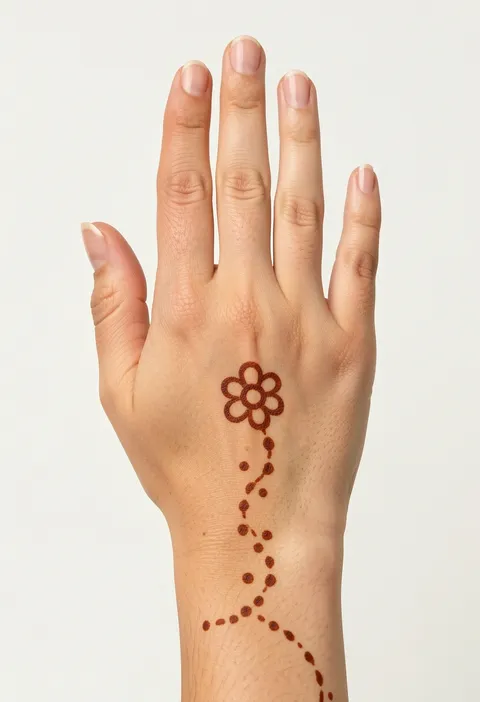
Minimal mehndi keeps to one clean element, such as a wrist flower, a single finger vine or a small palm medallion, with plenty of bare skin. It is ideal for work, school and everyday wear. Browse minimal back-hand and minimal palm designs.
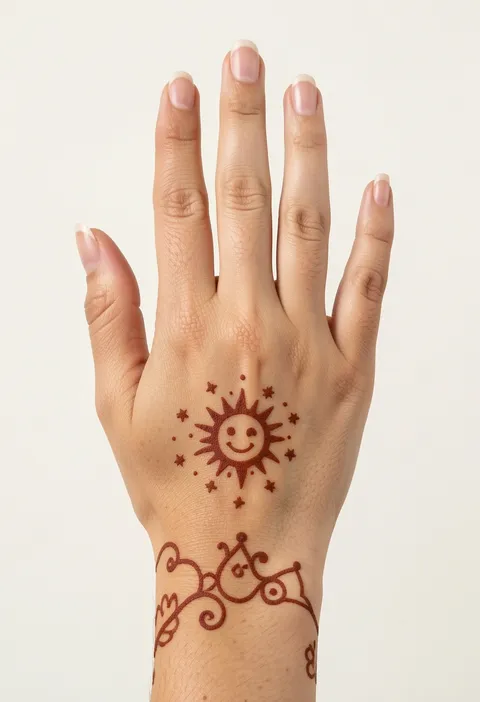
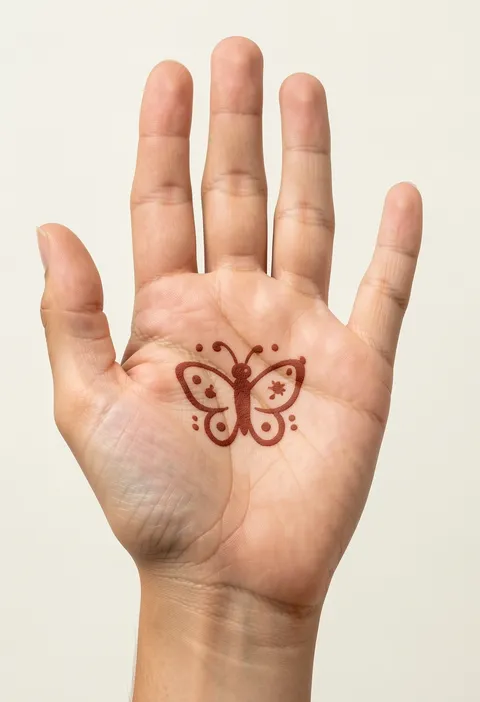
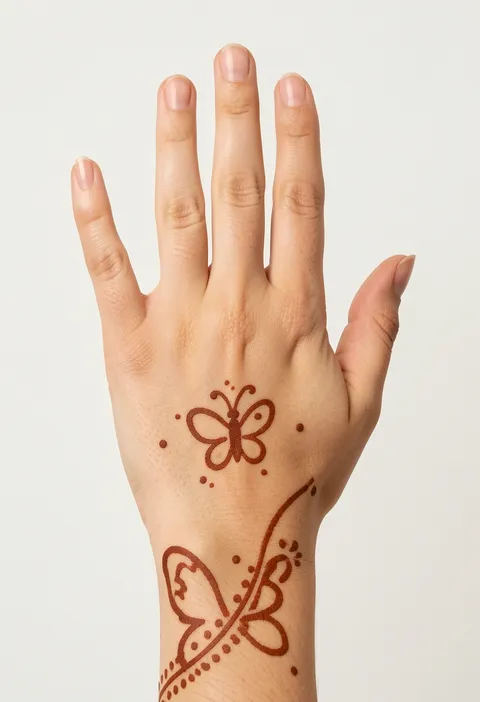
Designs for girls sit between minimal and bridal: a central flower or mandala with vines on two or three fingers, finished in under an hour. There are back-hand, palm and feet versions. Designs for kids are small and quick, a flower, a butterfly or a sun with fingertip dots, for the back of the hand or the palm. For something bolder on the feet, try Arabic feet designs.
Matching a design to the occasion
For Eid, most people choose an Arabic or girls’ design they can finish the night before. For a wedding you are attending, a medium design on the back of the hand looks festive without competing with the bride. Brides should apply their mehndi two days before the wedding so the colour peaks on the day; our full-hand bridal guide covers planning. For birthdays, festivals and everyday wear, a minimal design is usually enough. You can find more ideas by occasion in our mehndi guides.
Aftercare: getting a dark, long-lasting stain
Leave the paste on for at least six hours, and overnight if you can. Once it is dry, a light dab of lemon juice mixed with sugar helps it stay on the skin. When you remove it, scrape it off rather than washing it, and keep the area dry for the next twelve hours. Warmth helps the colour develop, so keep your hands warm, and expect the stain to darken over the next 24 to 48 hours.
To make it last, avoid harsh soaps, chlorine and scrubbing, and rub in a little coconut or olive oil before washing your hands. A good stain lasts one to three weeks, longer on the palms and feet. Always use natural henna: so-called "black henna" can contain PPD, which can cause serious skin reactions. Read more in how to make mehndi darker and how long mehndi lasts.
