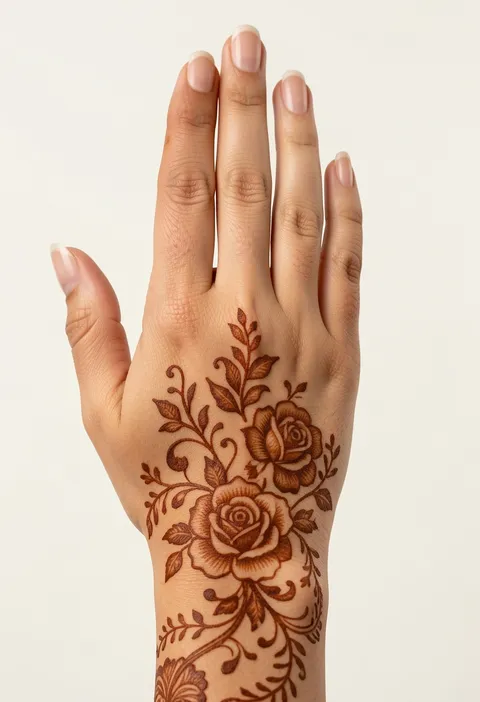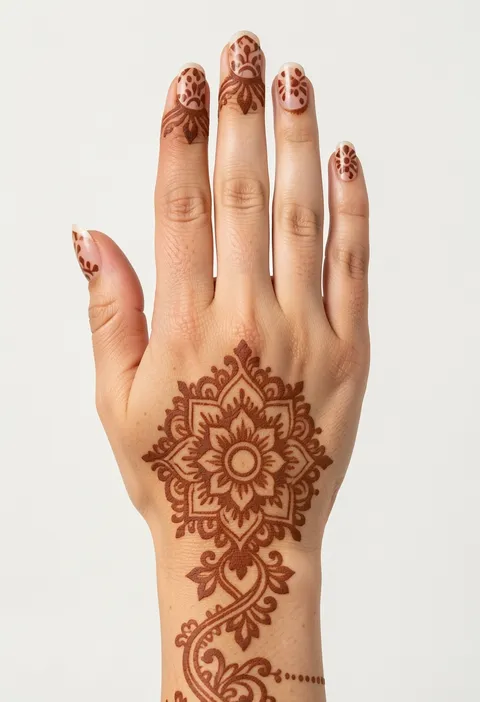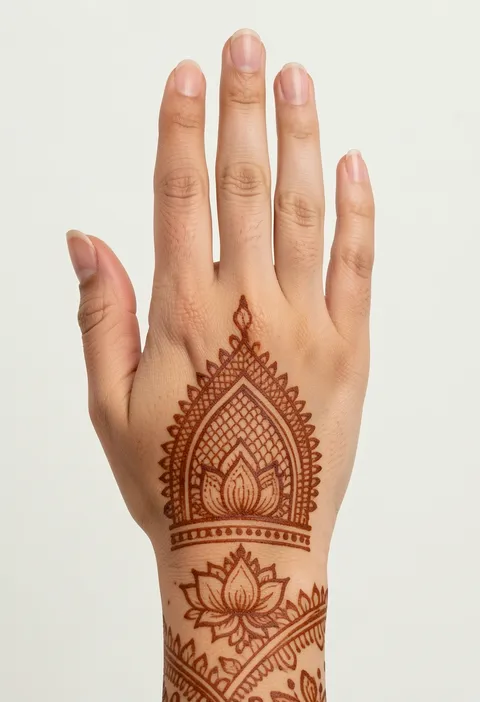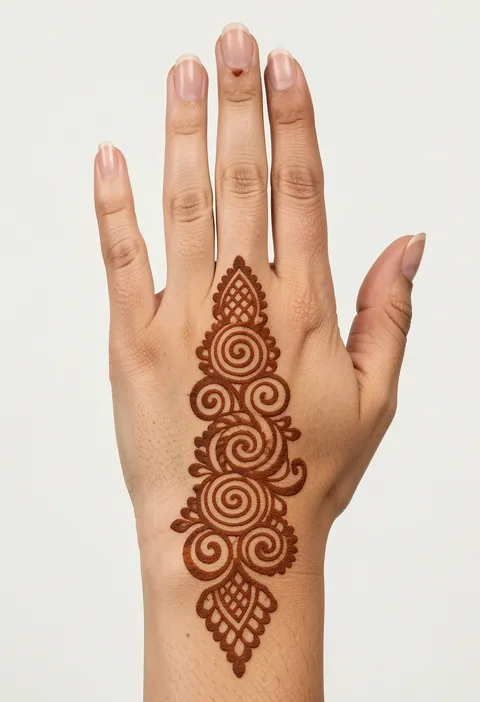
Back Hand Bridal Mehndi Designs

43 designs · Updated

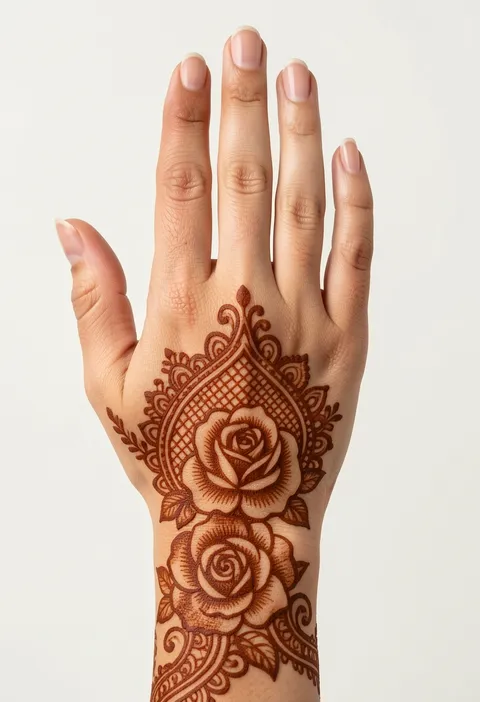
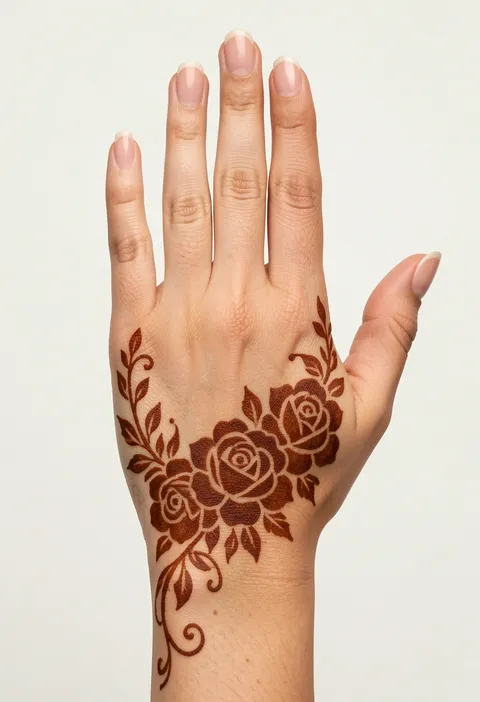
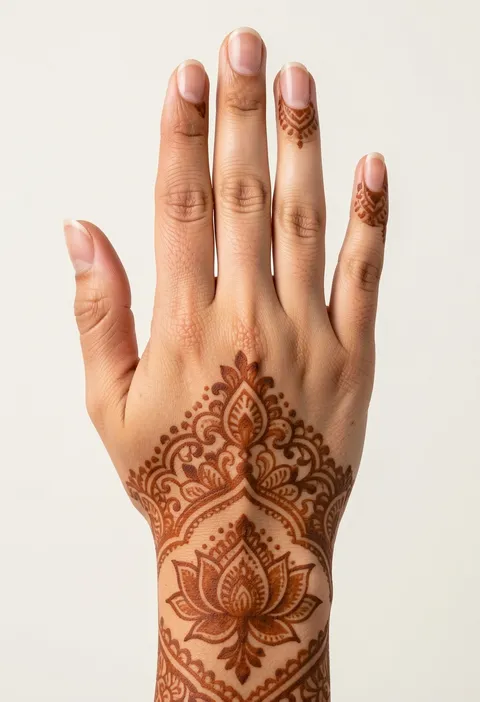
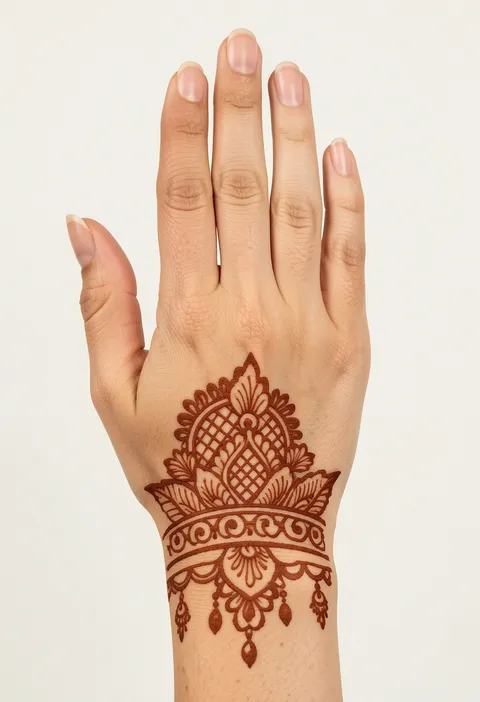
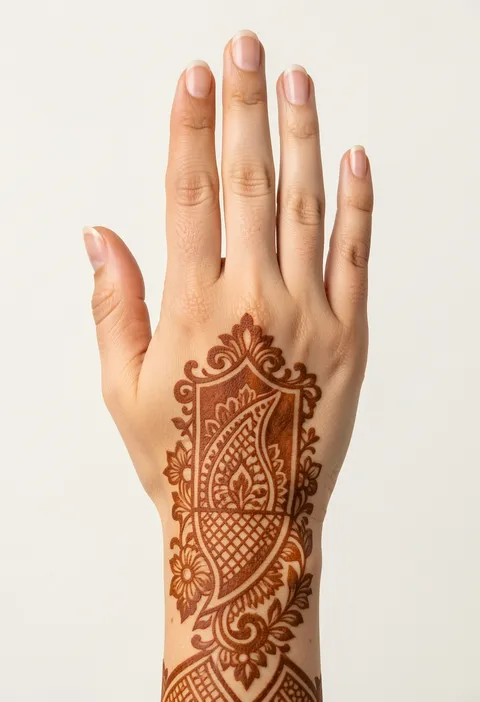
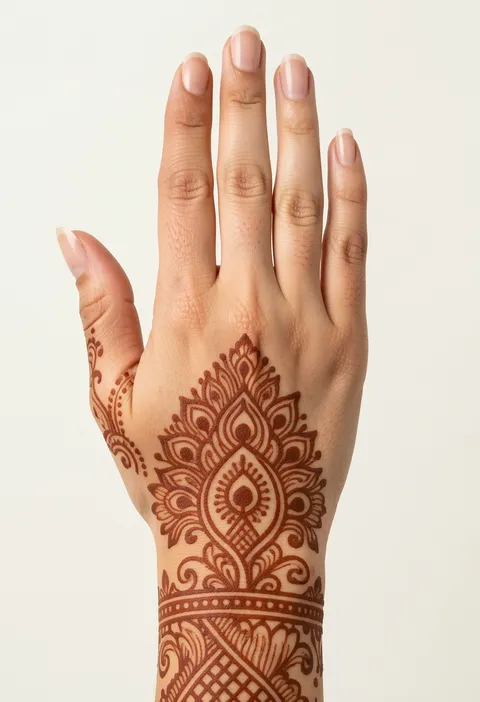
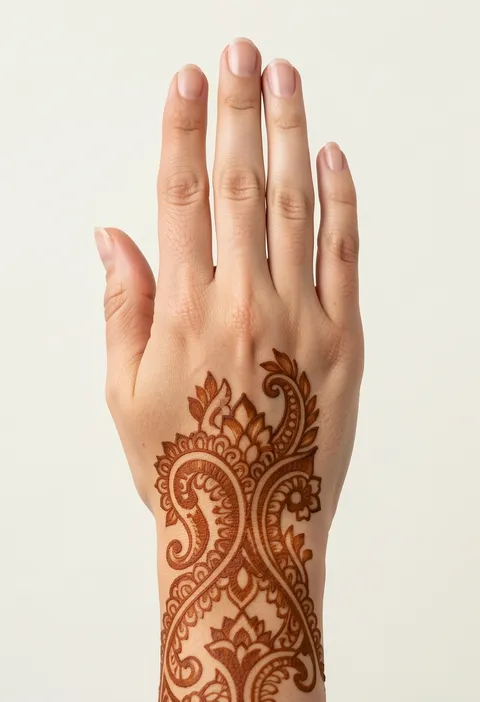
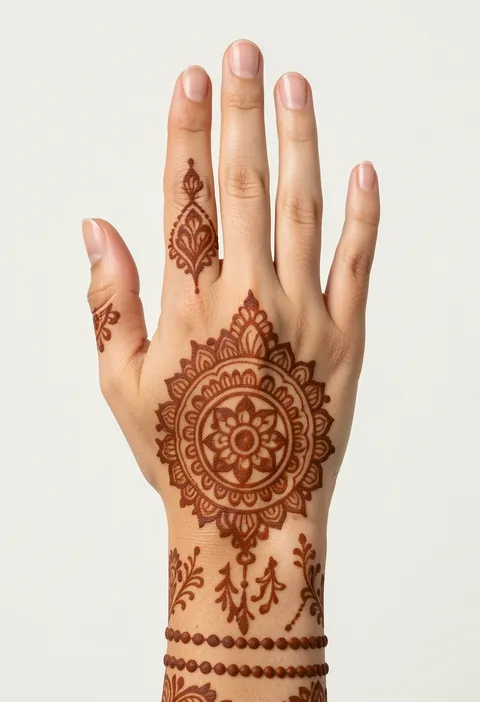
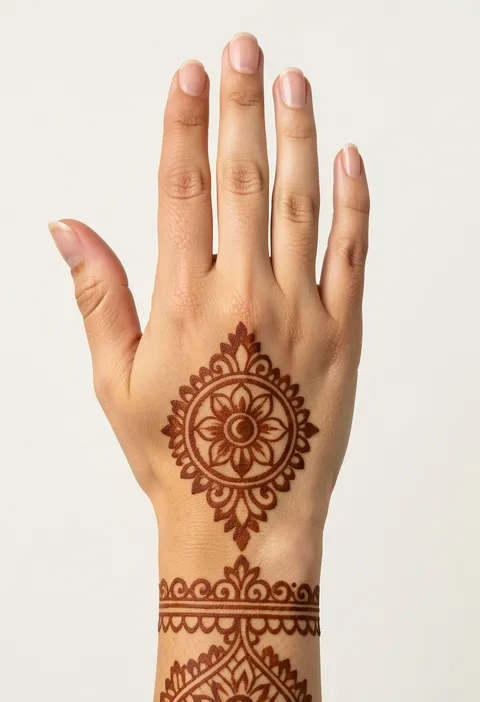
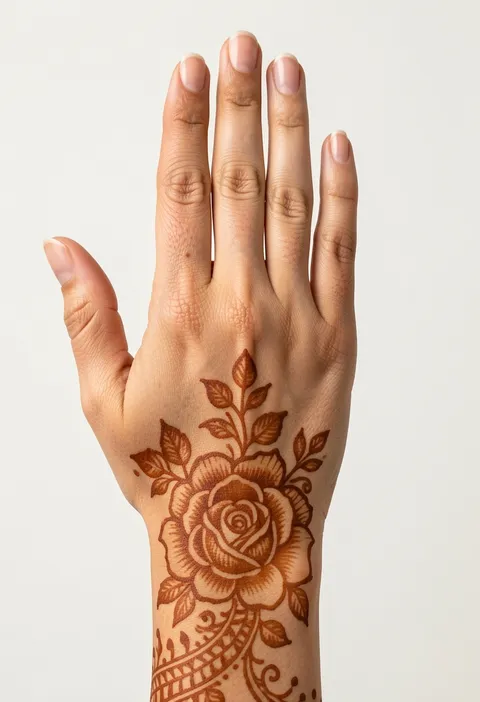
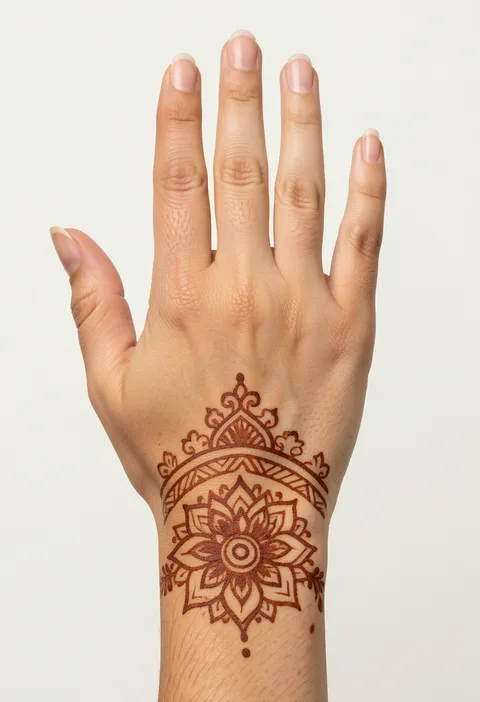
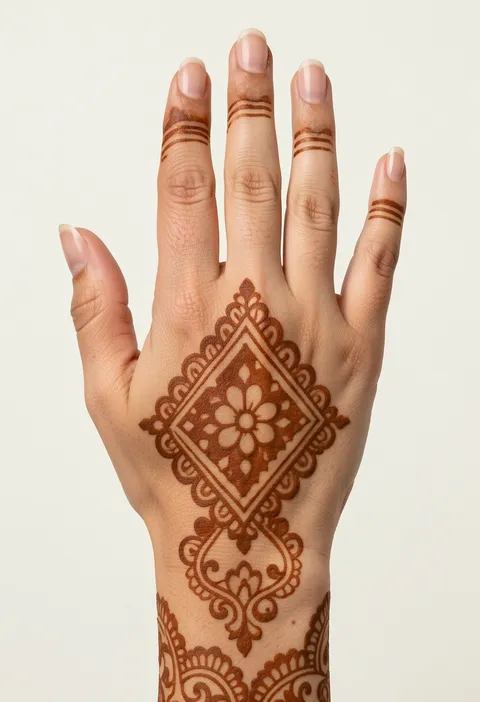
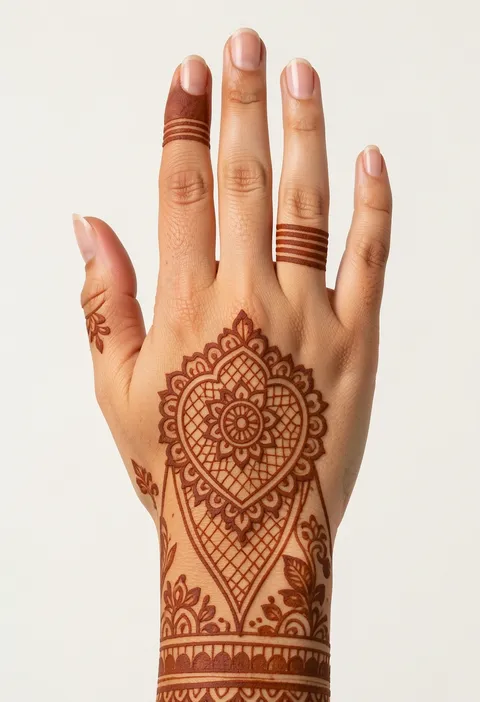
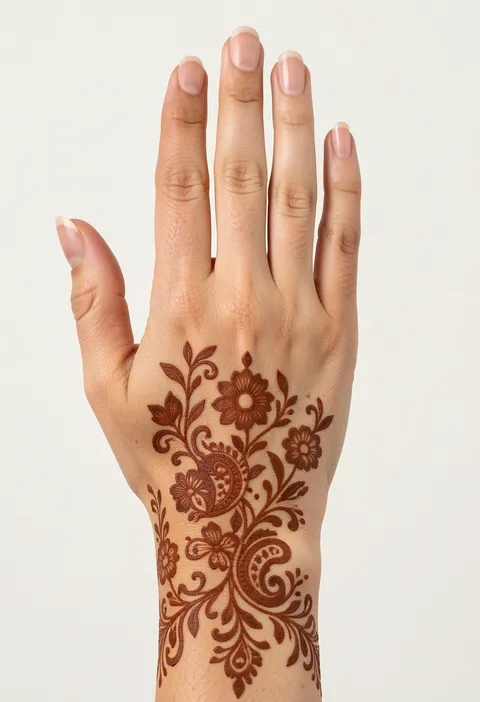
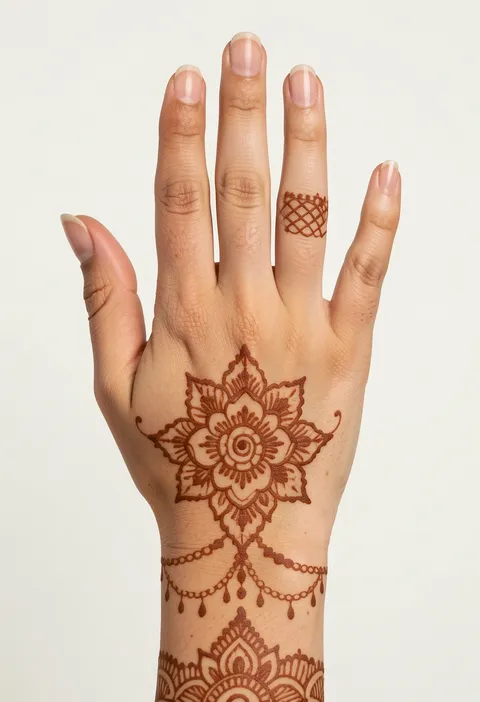
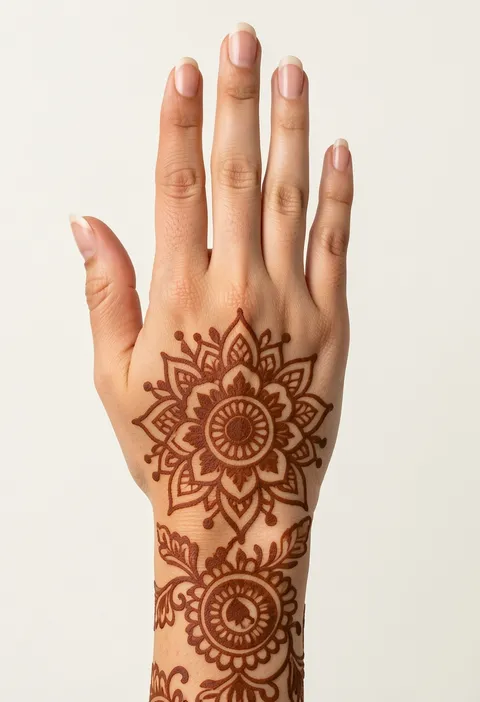
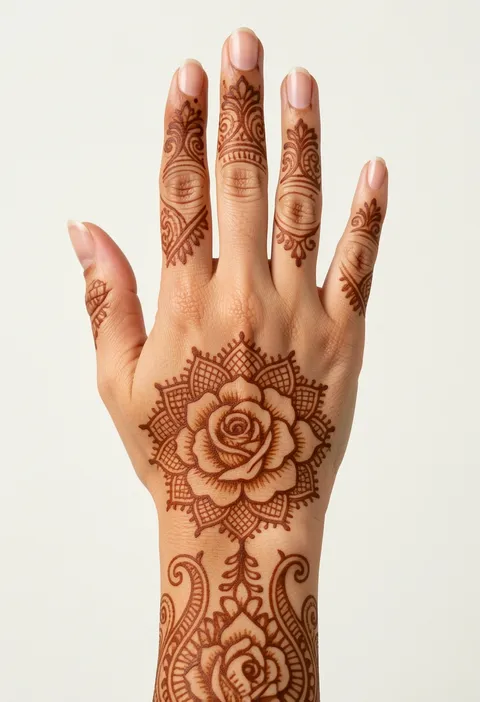
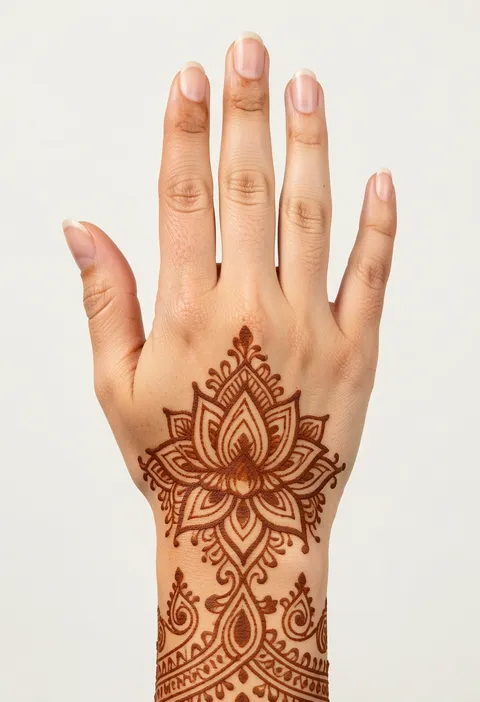
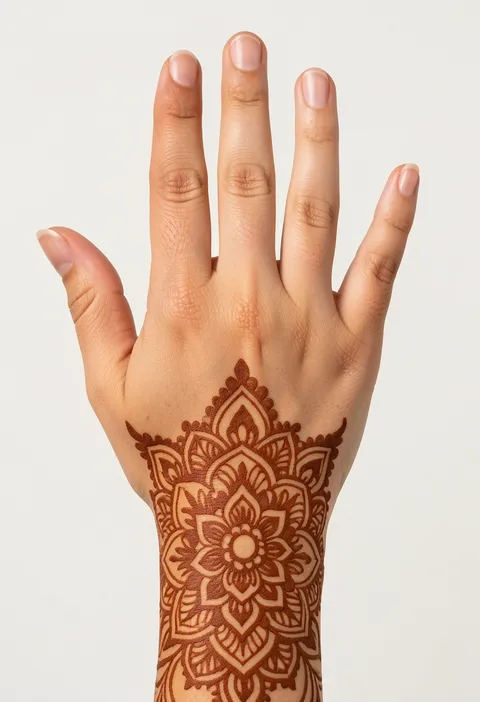
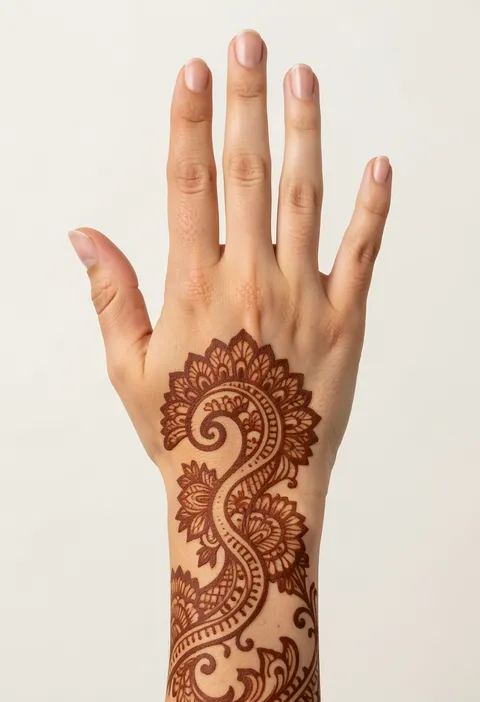
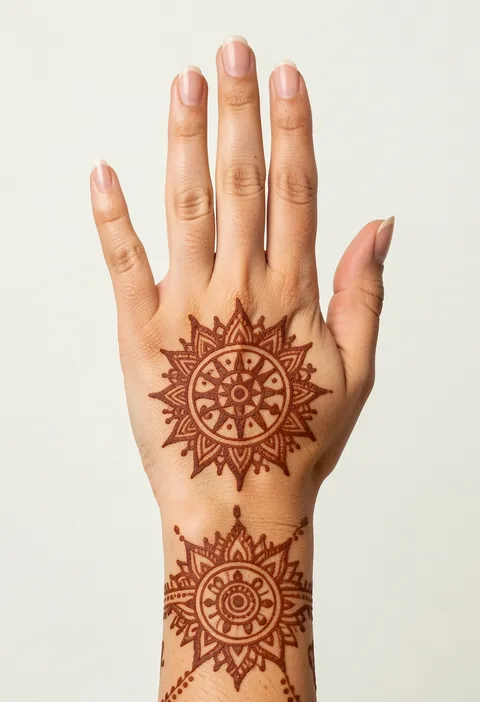
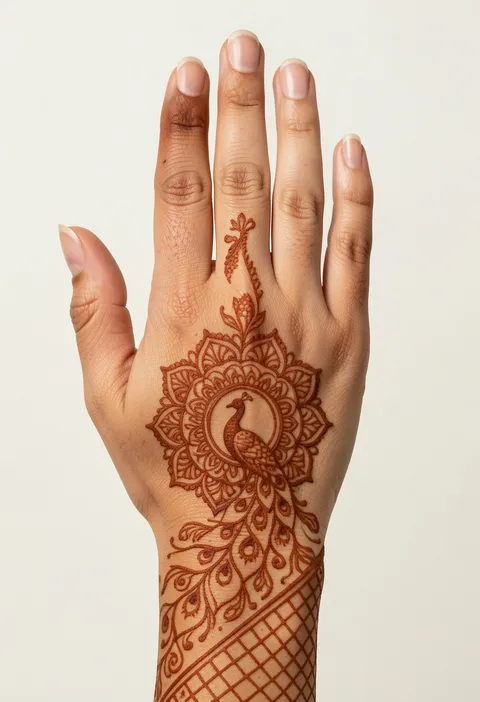
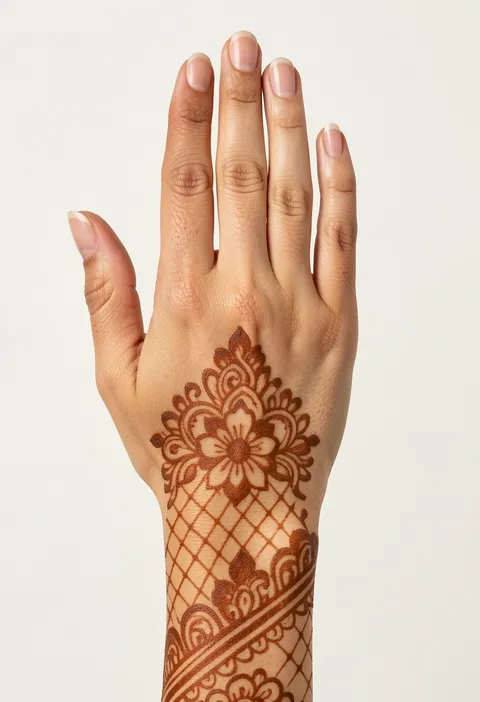
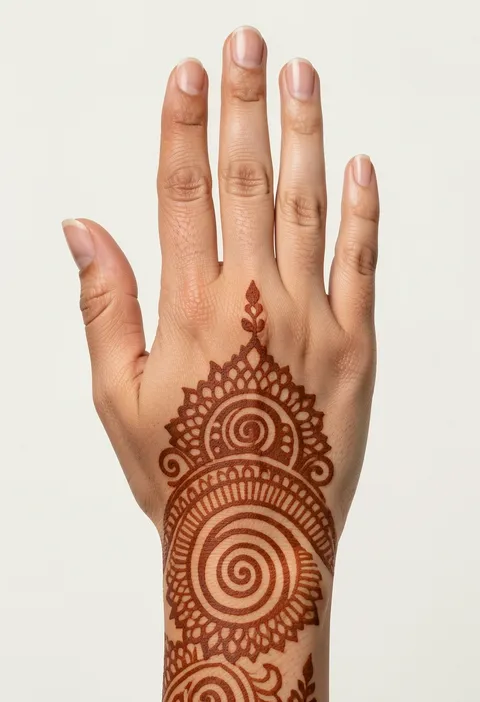
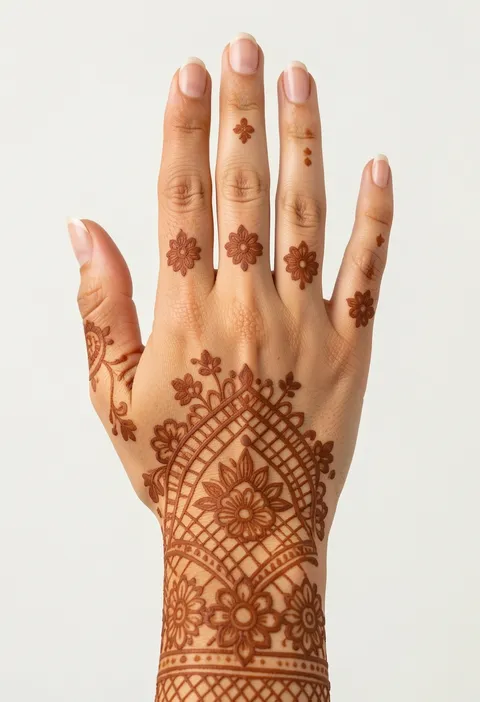
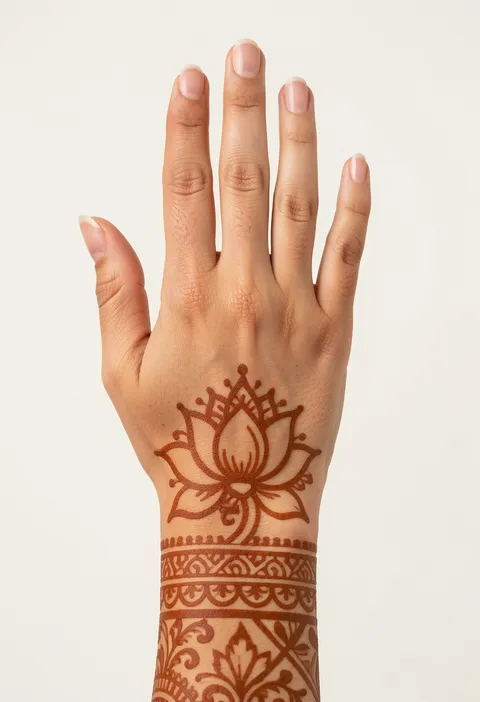
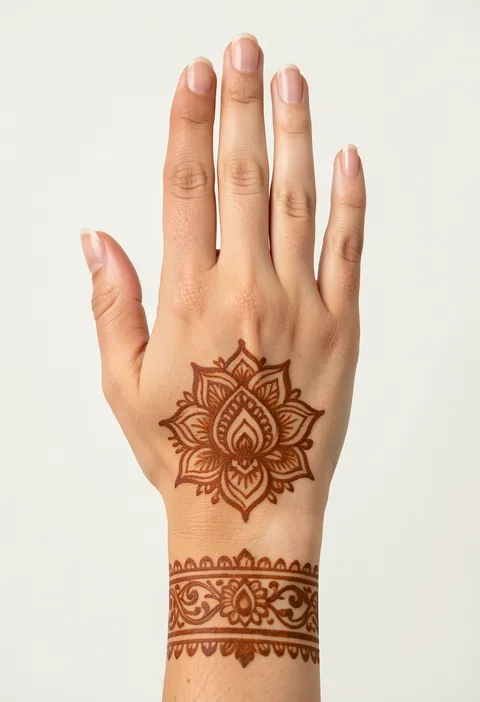
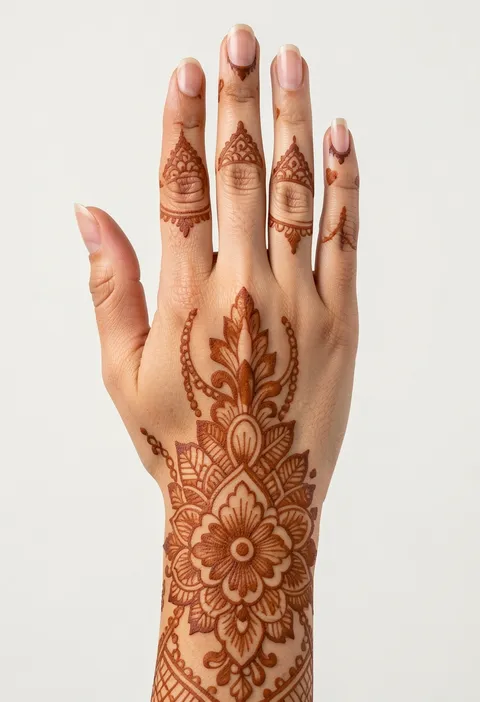
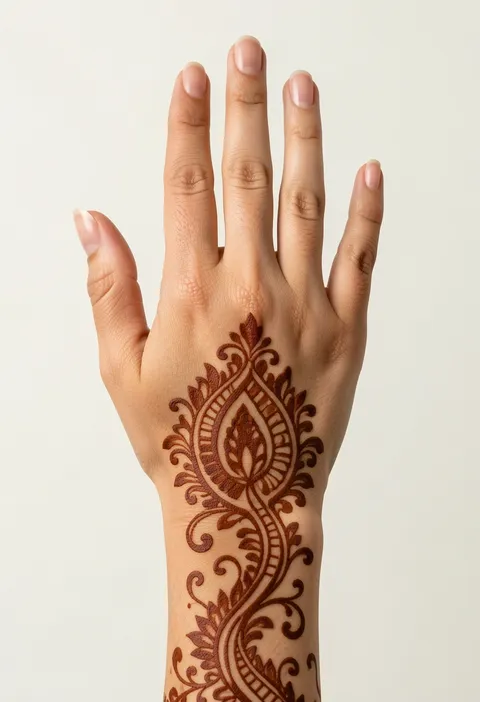
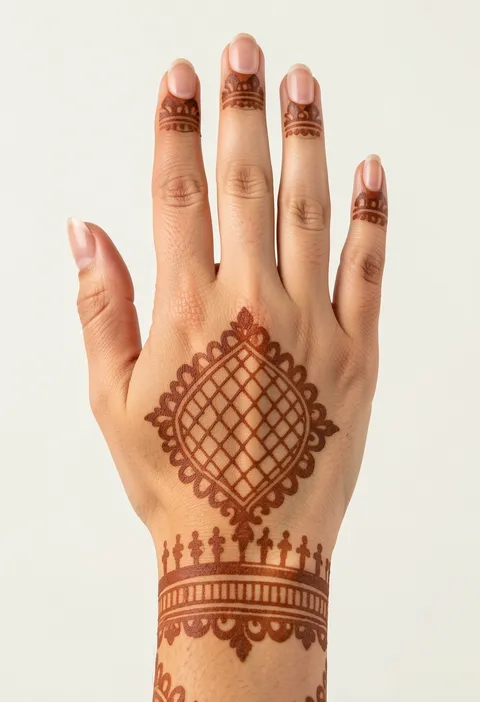
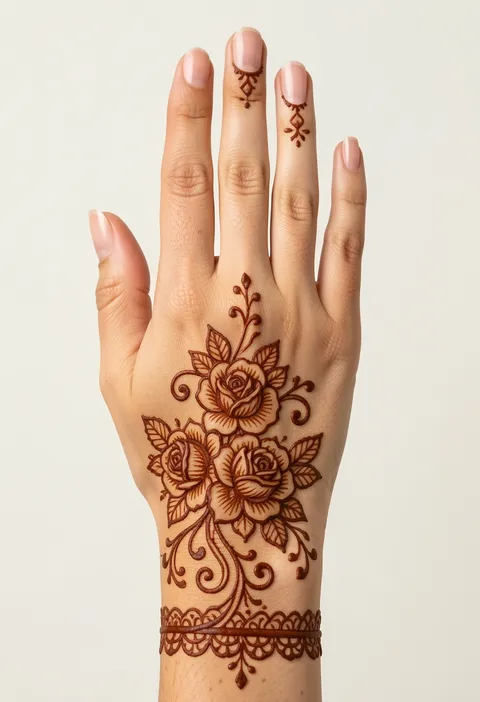
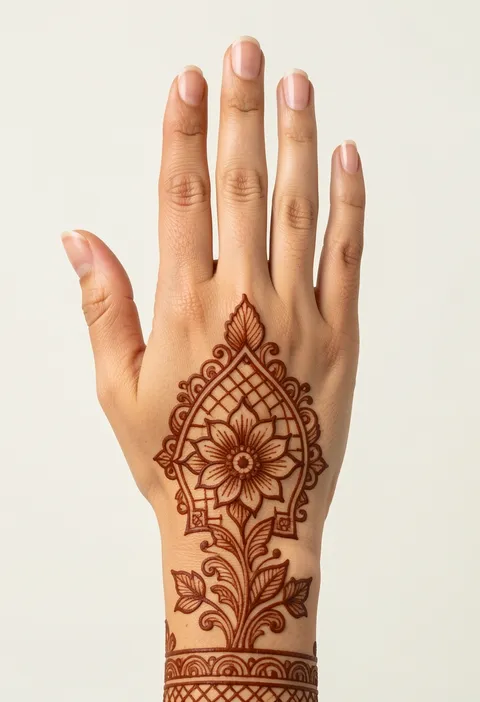
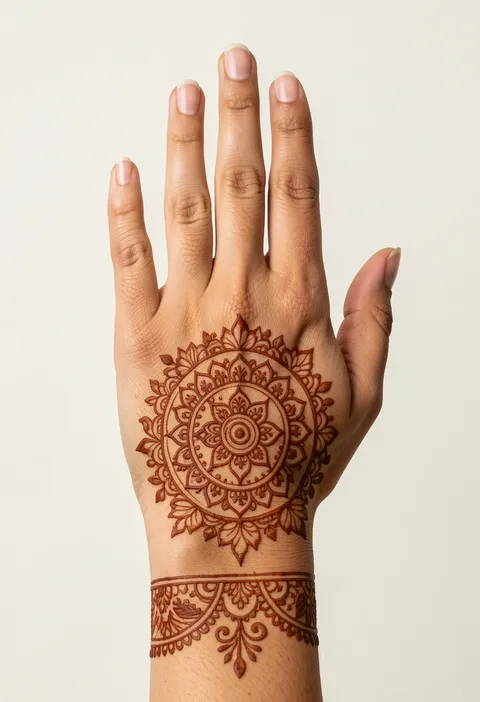
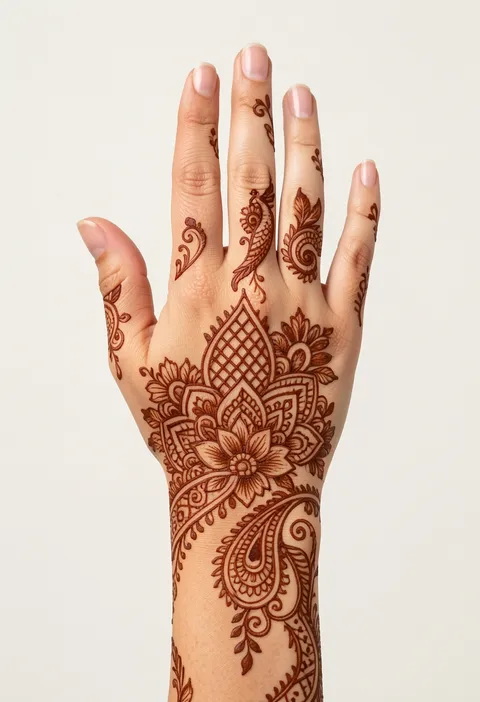
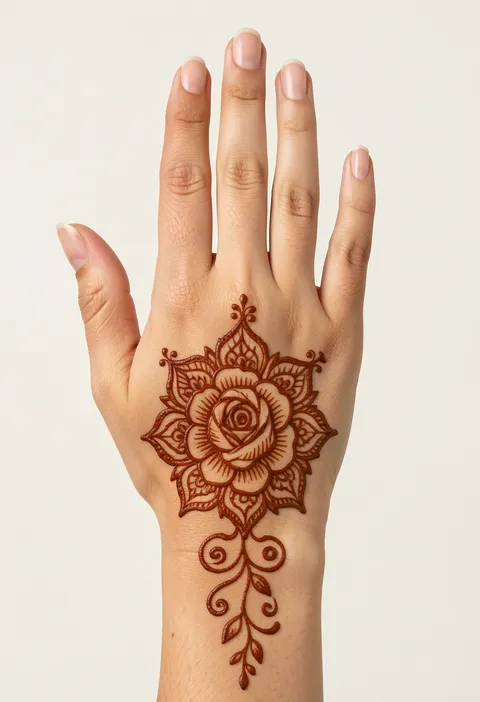
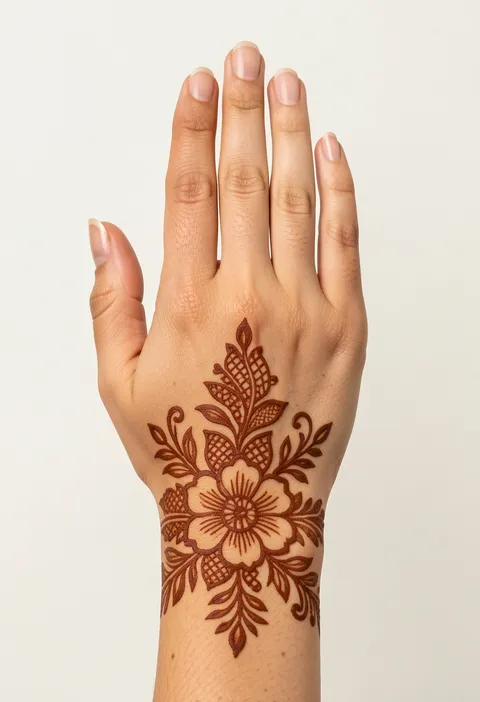
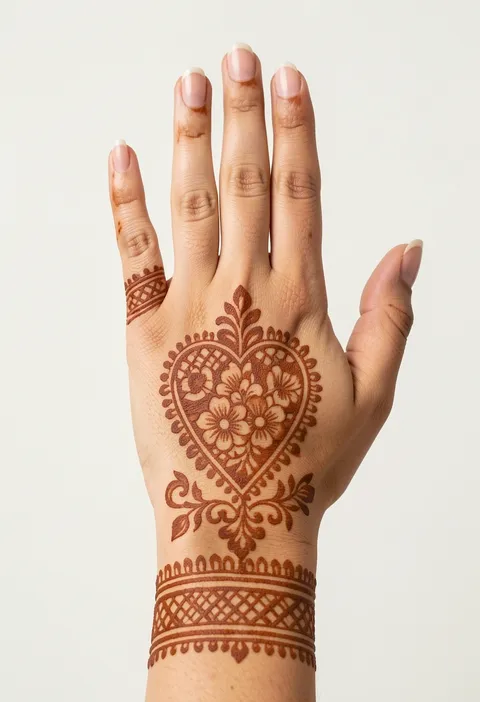
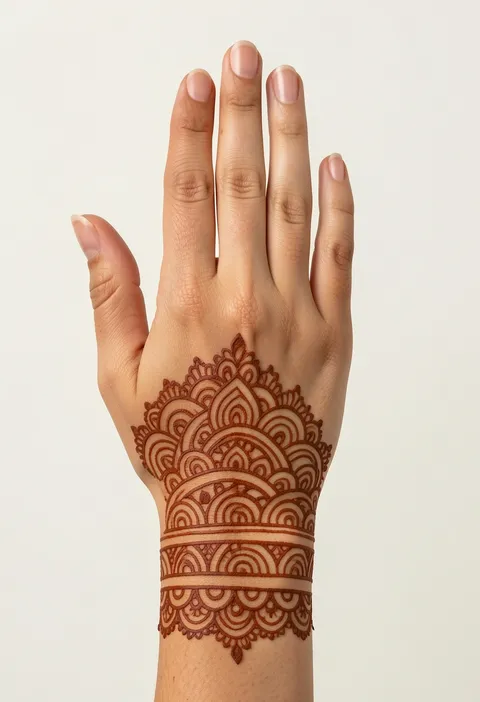
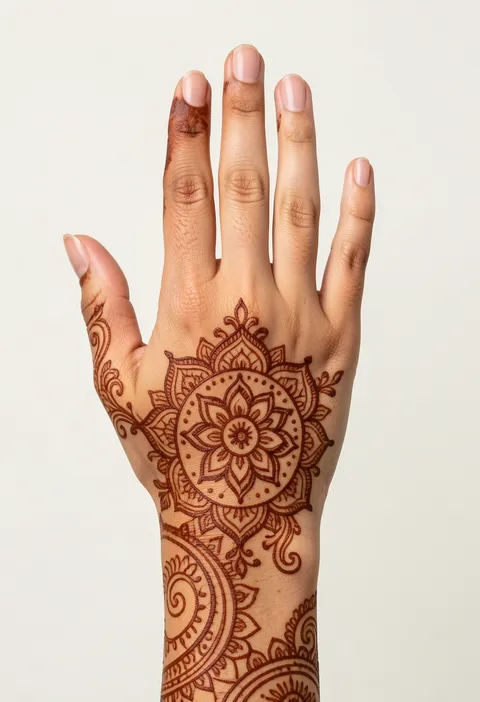
Bridal designs on the back of the hand carry a wrist cuff, a central medallion or peacock, lattice fill between them and full finger work to the tips. This collection shows every bridal back-hand design realistically, so you can compare density and spacing before choosing one for the wedding.

The back of the hand is what appears in most wedding photographs, so it pays to choose this side carefully. Look for a design with clear zones (a wrist cuff, a central motif and patterned fingers) separated by thin lines of bare skin, which keeps the pattern readable from a distance. Dense designs can take an hour or more per hand. Plan the timing with our full-hand bridal guide, and pick a matching palm from the bridal palm designs. Many brides also extend the pattern past the wrist towards the elbow; if you plan to, choose a design whose cuff can continue up the arm without a visible join.

Related collections: all bridal designs, bridal palm designs, all back-hand designs.

Facebook Twitter PinterestWhatsApp

Planning a bridal back hand

Decide the centrepiece first: peacock, lotus or mandala. Build the cuff at the wrist, connect it to the centrepiece with jaal or paisleys, then pattern each finger with alternating bands and vines. Thin bare lines between the zones keep the design legible in photos.

Each back hand takes 60 to 90 minutes with an artist. Apply two days before the wedding so the stain peaks on the day.
Frequently asked questions

Should bridal back hand mehndi match the palm?

The styles should match but the layouts do not have to. Most brides use a peacock or figure on the palm and a mandala or lattice on the back.
How far up the arm does bridal mehndi go?

Traditionally to the elbow. The designs here stop at the wrist so you can pair them with any arm extension.

Should the back hand and palm bridal designs match?

They do not have to be identical, but using the same motifs and density on both sides makes the hands look like one design.